
ANNUAL CONFERENCE 2026
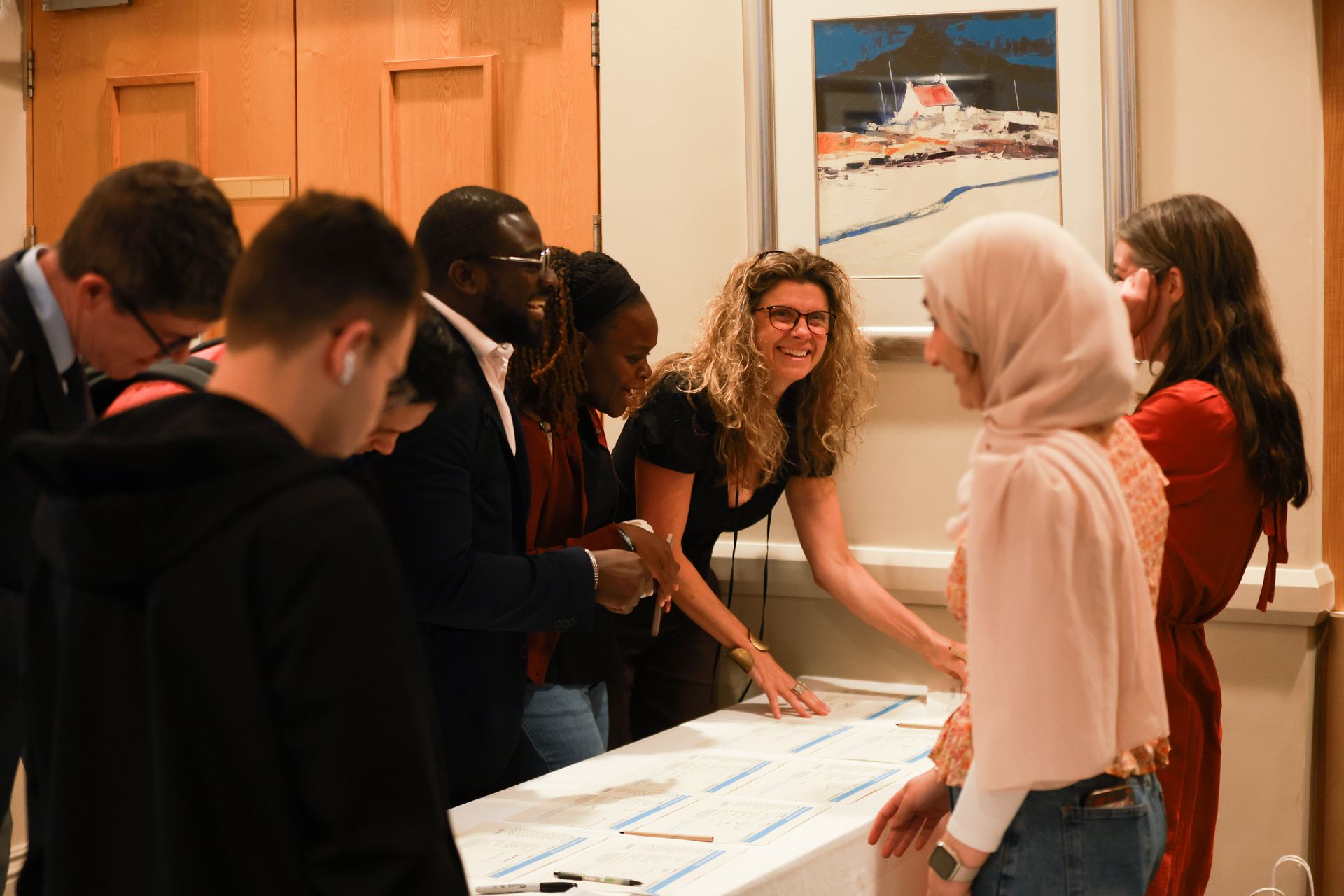
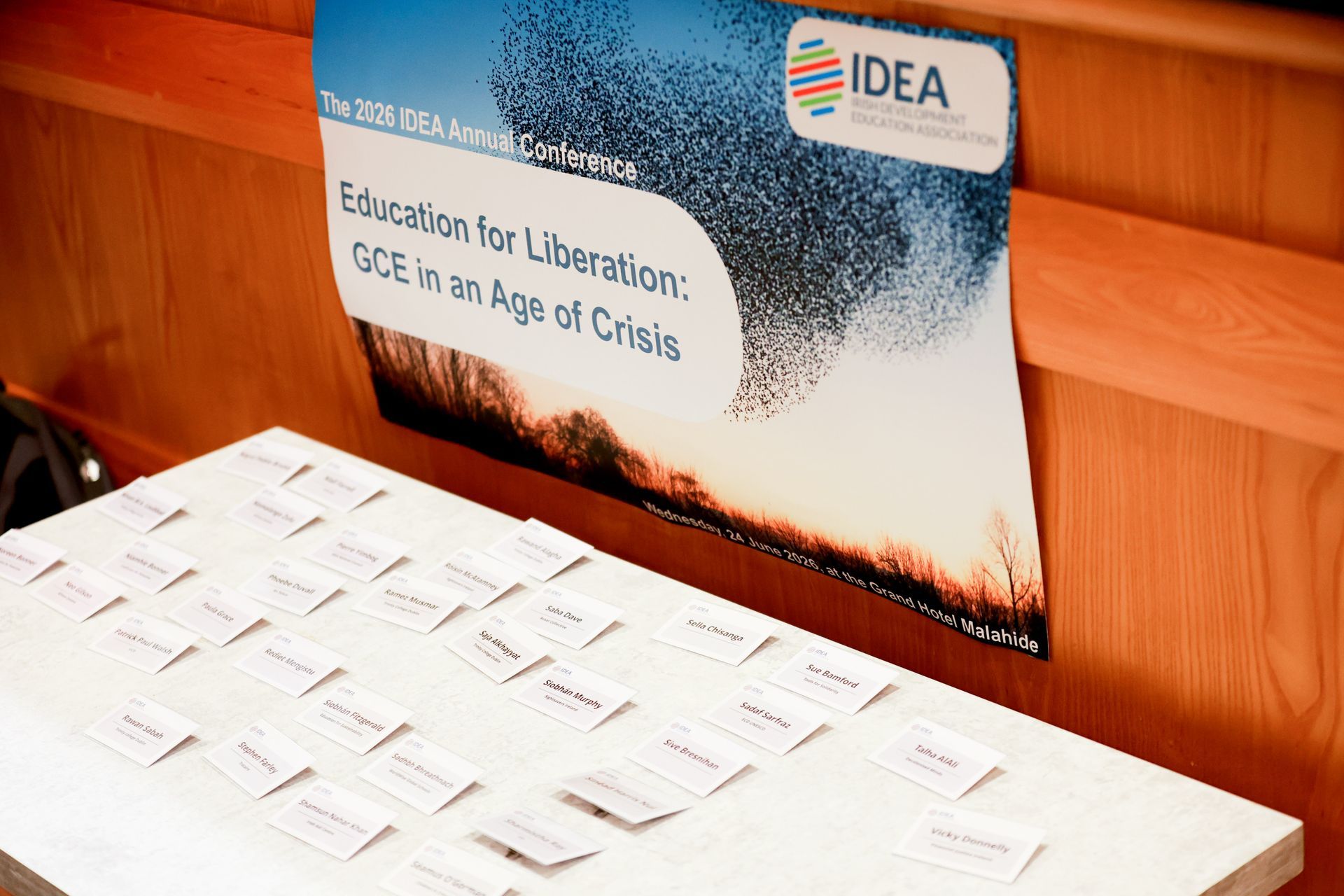
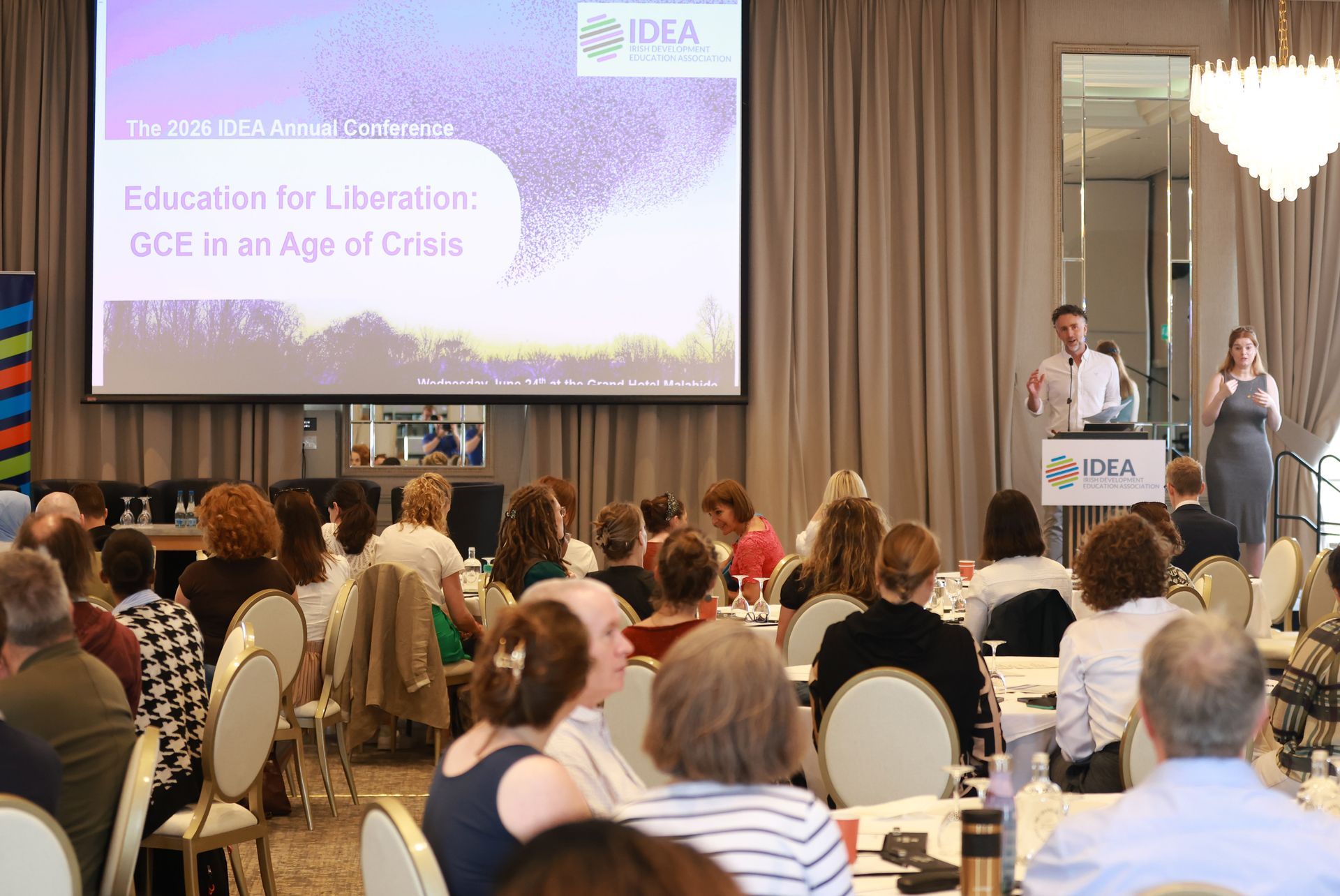
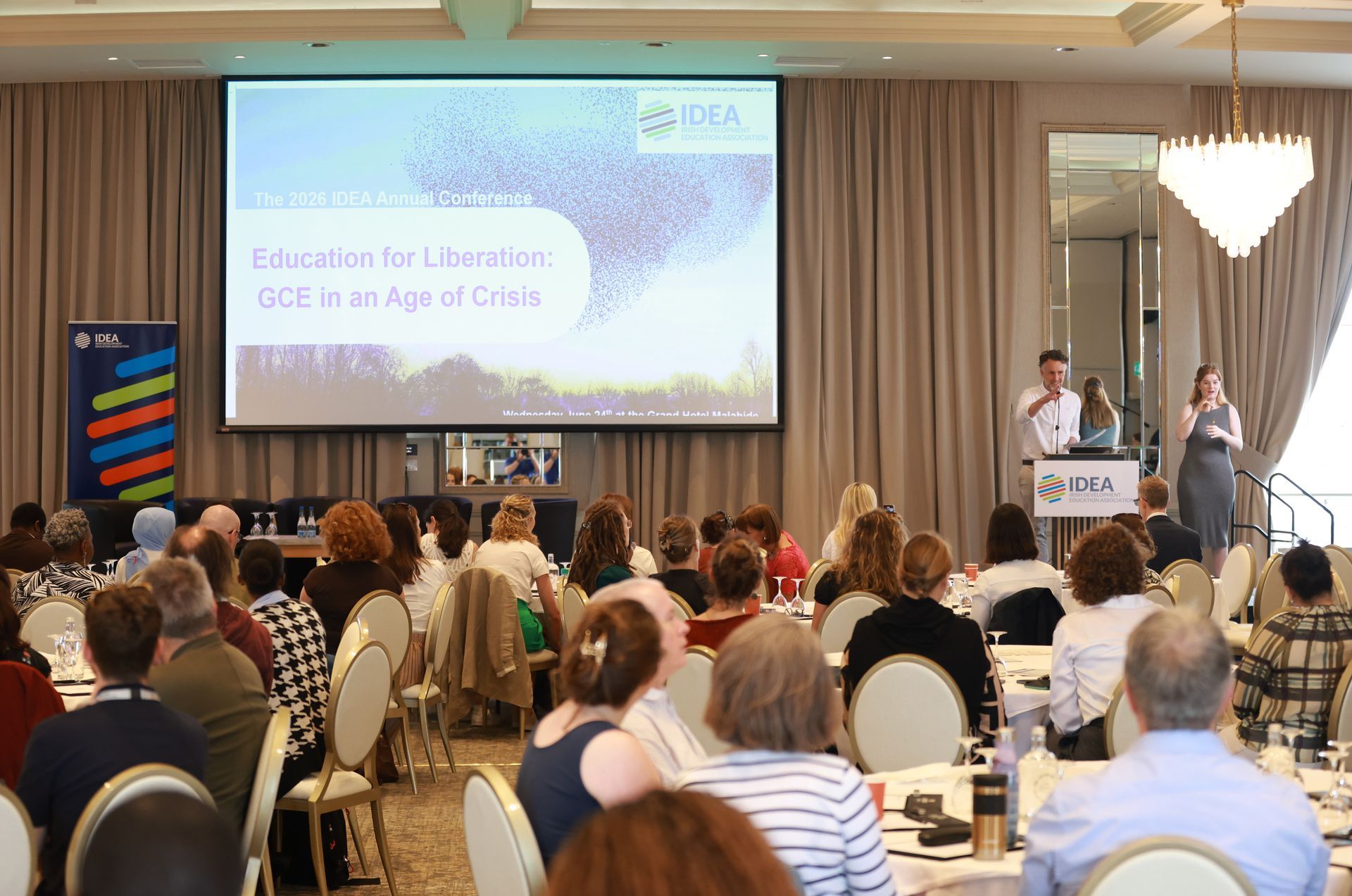
IDEA’s Annual Conference 2026 – Education for Liberation: GCE in an Age of Crisis took participants back to the roots of Development Education while looking ahead with renewed purpose. Drawing on the radical traditions of Development Education and the legacy of Paulo Freire and other transformative educators, the conference explored the foundations of education for liberation in the context of today’s world.
The programme brought these ideas to life through a diverse range of voices, experiences and opportunities for active participation. Participants also heard from Brazilian education leader Madza Ednir, who reflected on Paulo Freire'sinfluence on her thinking: “I have learned from Freire that overcoming oppression is embedded in our day-to-day practice, both individually and collectively, because everything has to do with love, and love is about dialogue.”
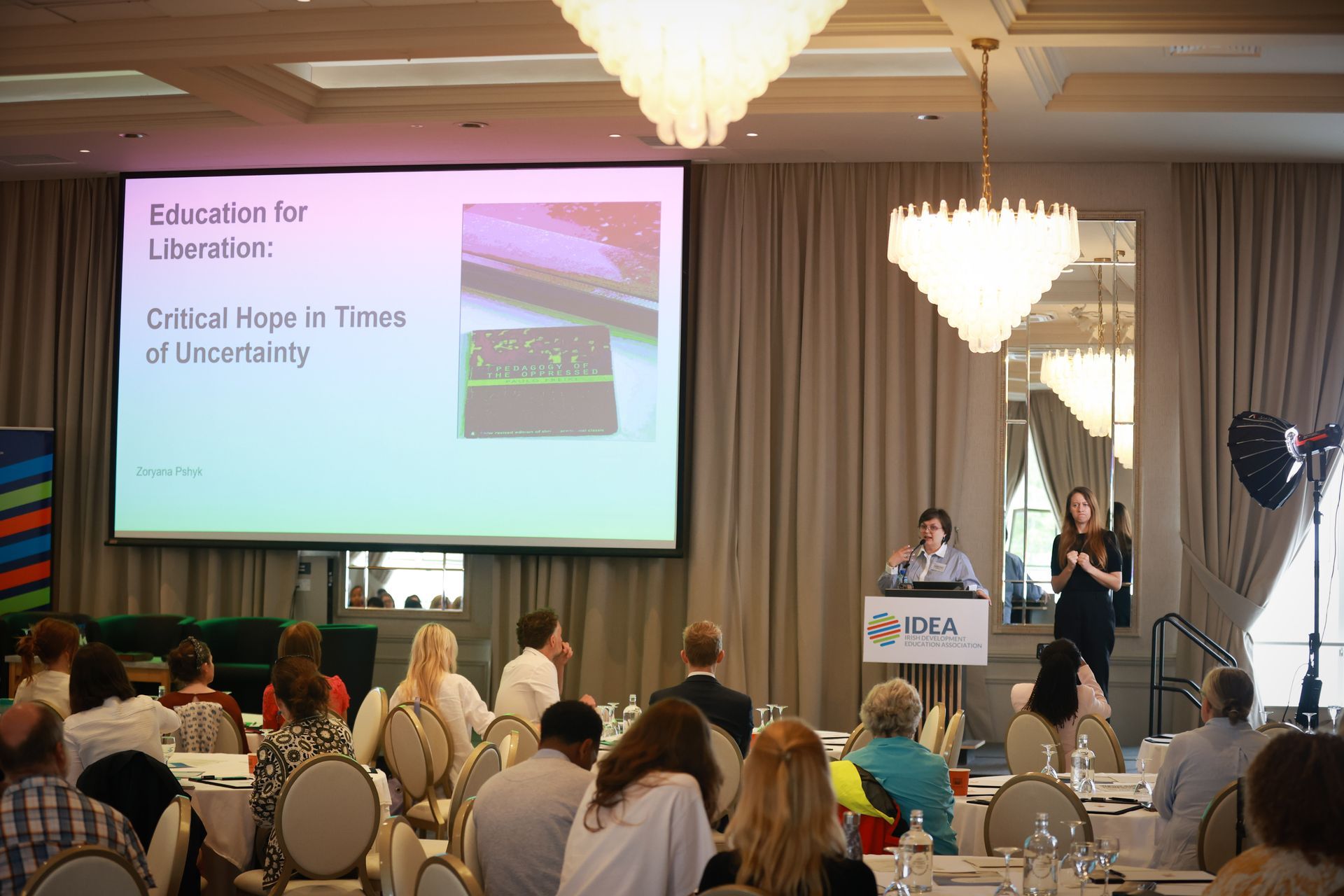
They also heard a keynote address from Ukrainian educator
Zoryana Pshyk, alongside the panel conversation, Voices for Liberation: Perspectives on Education in an Age of Crisis. The conference also featured music by Palestinian musician
Aziz Abushark, a special conversation on Love and Radical Hope with award-winning journalist and authorSally Hayden, and a moving closing ceremony with contributions from
Aziz Abushark and
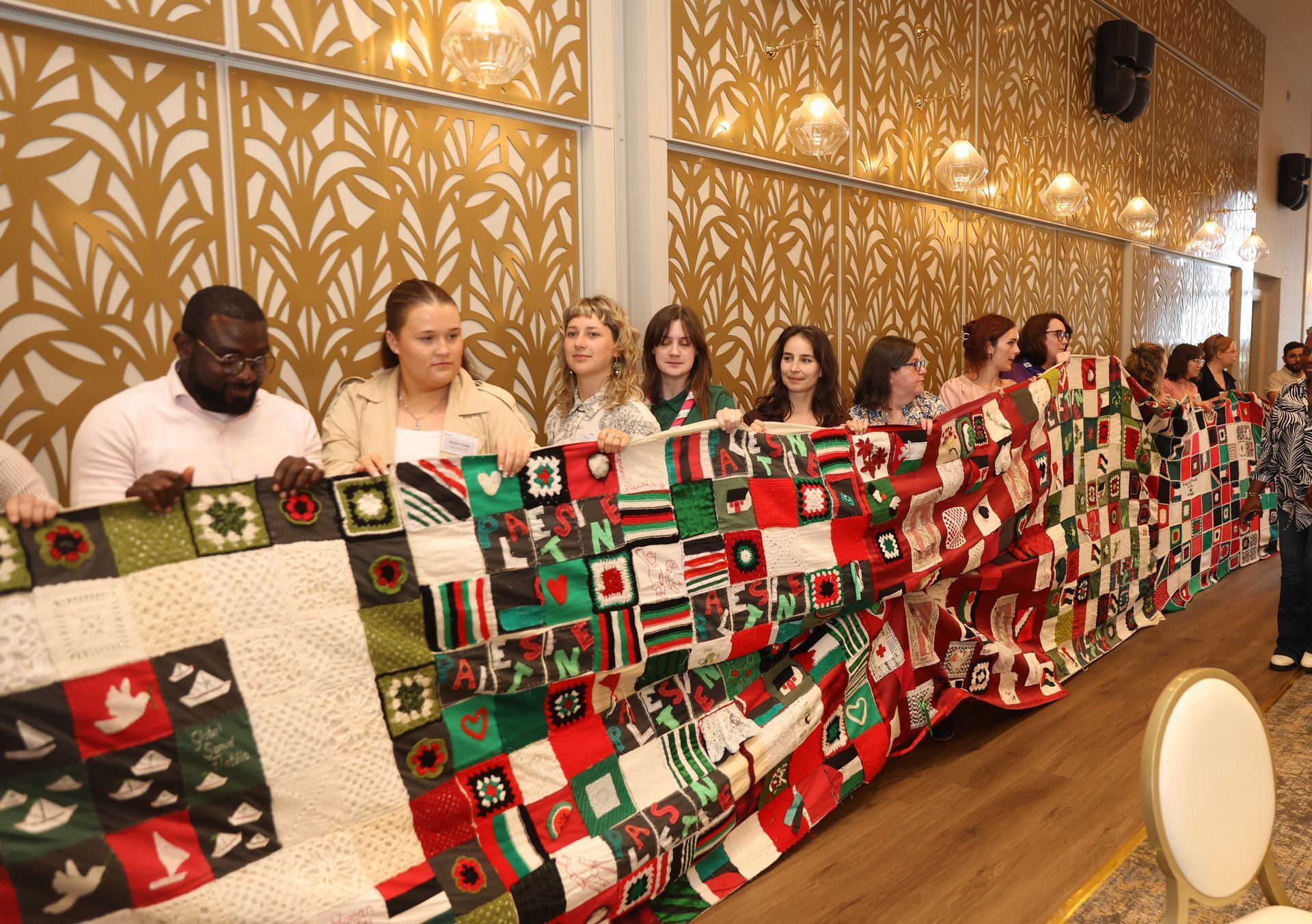
Nima Ashour, alongside The Blanket for Palestine.
KeyNOTE SPEAKER
Zoryana Pshyk
Zoryana Pshyk delivered the keynote address at IDEA’s Annual Conference 2026 – Education for Liberation: GCE in an Age of Crisis. Drawing on her lived experience of migration, her time in Ireland’s direct provision system, and her work with asylum seekers, refugees and marginalised communities, she reflected on education as a space where people can reclaim voice, dignity and agency. Her contribution explored how educators can support people to move beyond systems of survival towards solidarity and collective transformation.
“Over time, oppression goes very deep into your body; it goes into your bones, into your brain, into your soul. It diminishes you, dehumanises you, until it breaks you…” Zoryana Pshyk
Spoken Word Performance
Nima Ashour
Watch this very powerful and inspiring spoken-word performance by Palestinian student Nima Ashour at the IDEA Annual Conference 2026 - Education for Liberation: GCE in an Age of Crisis in June. Nima’s piece was a standout feature of our closing ceremony and was accompanied by Aziz Abushark, a Palestinian musician, and the Craftivism for Palestine blanket. Her piece challenged us to reflect on the world around us and our role in transforming it, leaving participants with a lasting reminder of the importance of critical engagement, solidarity and action.
"Let us leave here not with heavy hearts, but lifted up;
a little more courageous,
a little more hopeful and
a little more committed to each other.
Let us carry the torch of education for liberation.
We have on this earth what makes life worth living:
our humanity, our compassion; And our capacity to care.
Let's protect that.
Let's nurture it.
Let's share it.
Because that’s how the world really changes,
one person,
one voice,
one act of courage at a time".
Nima Ashour.
ARTISTS
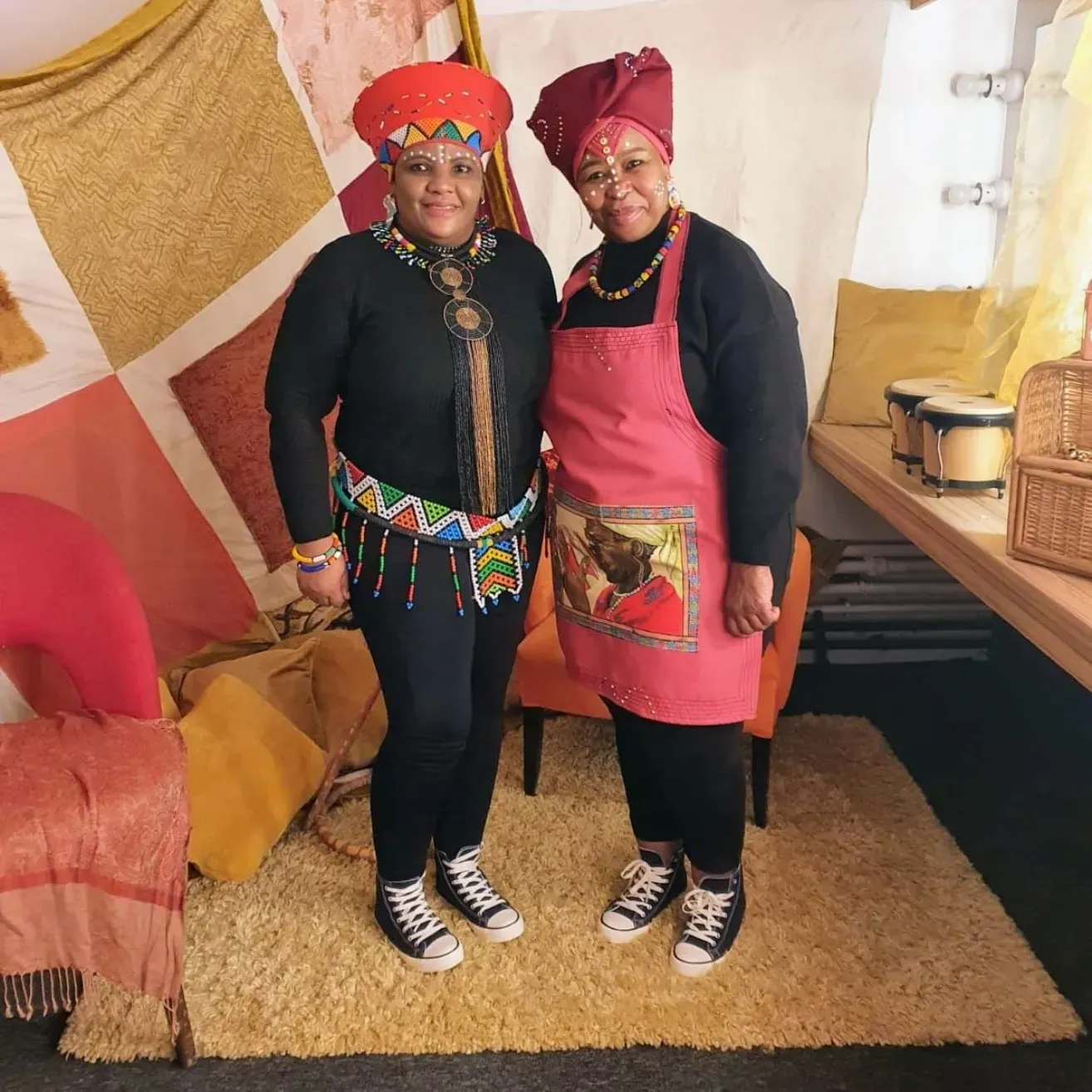
African Queens (Nomalanga Zulu and Neo Florence Gilson)
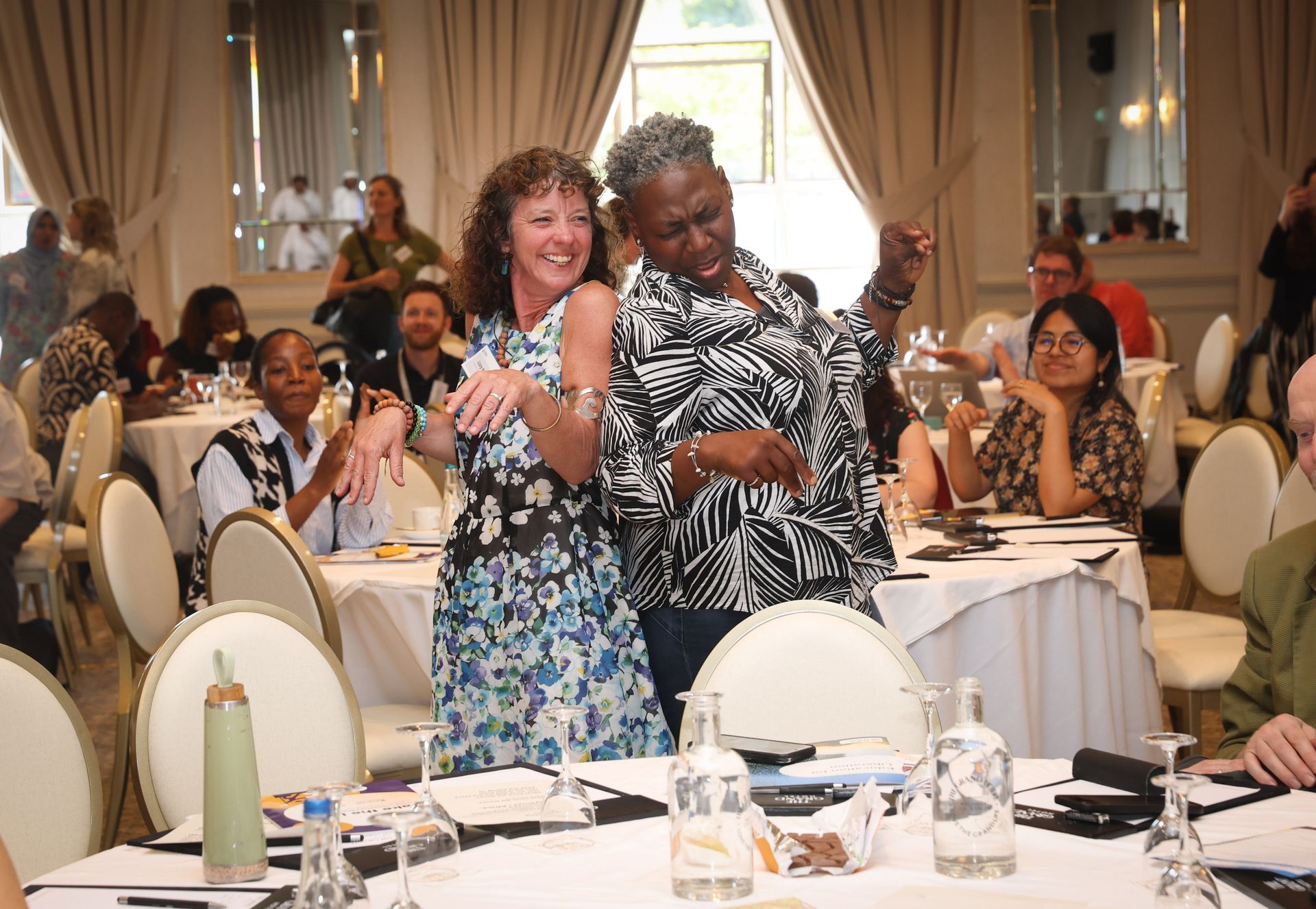
Watch African Queens perform at IDEA's Annual Conference 2026 – Education for Liberation: GCE in an Age of Crisis. Through a powerful blend of music, storytelling and African artistic traditions, Nomalanga Zulu and Neo Florence Gilson created a vibrant and inspiring experience that celebrated intercultural dialogue, community connection, and the transformative power of the arts.
Their performance served as a reminder of the deep interconnectedness of communities and of the role of music and culture as powerful vehicles for solidarity, dialogue, and liberation.
IN CONVERSATION
Sally Hayden – Love and Radical Hope
Award-winning journalist, photographer and author Sally Hayden joined Pierre Yimbog for a special conversation on Love and Radical Hope. Drawing on years of frontline reporting across migration routes and conflict zones, she reflected on the responsibility of storytelling, bearing witness to injustice, and the power of narratives to challenge systems of power while affirming dignity, humanity and hope.
“In August 2018, I received a message from an Eritrean man who was being held in a Libyan detention centre, asking for help. He said he was among hundreds of people locked up without charge. I began writing about their situation and the need for attention, and that became the starting point for the reporting that led to my first book.”
Sally Hayden.
SPEAKER
Niall Tierney
Niall Tierney, Director of the Global Programmes Unit within Ireland’s Department of Foreign Affairs and Trade, shared reflections on the role of Global Citizenship Education in fostering international solidarity and collective action. Drawing on extensive experience in international development and humanitarian work, he highlighted the importance of GCE in responding to global challenges and building a more just and interconnected world.
Panel Conversation
Voices for Liberation – Perspectives on Education in an Age of Crisis
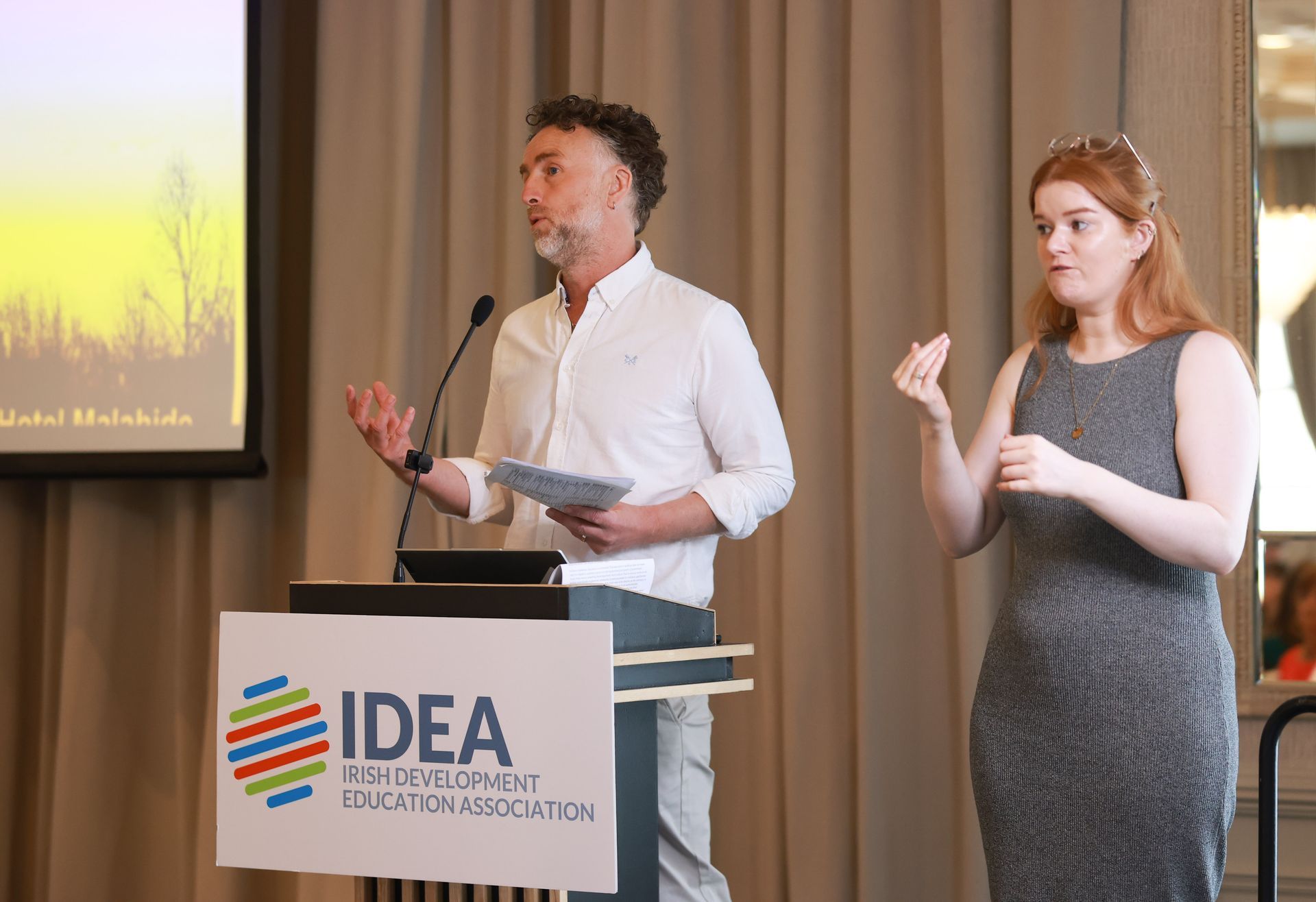
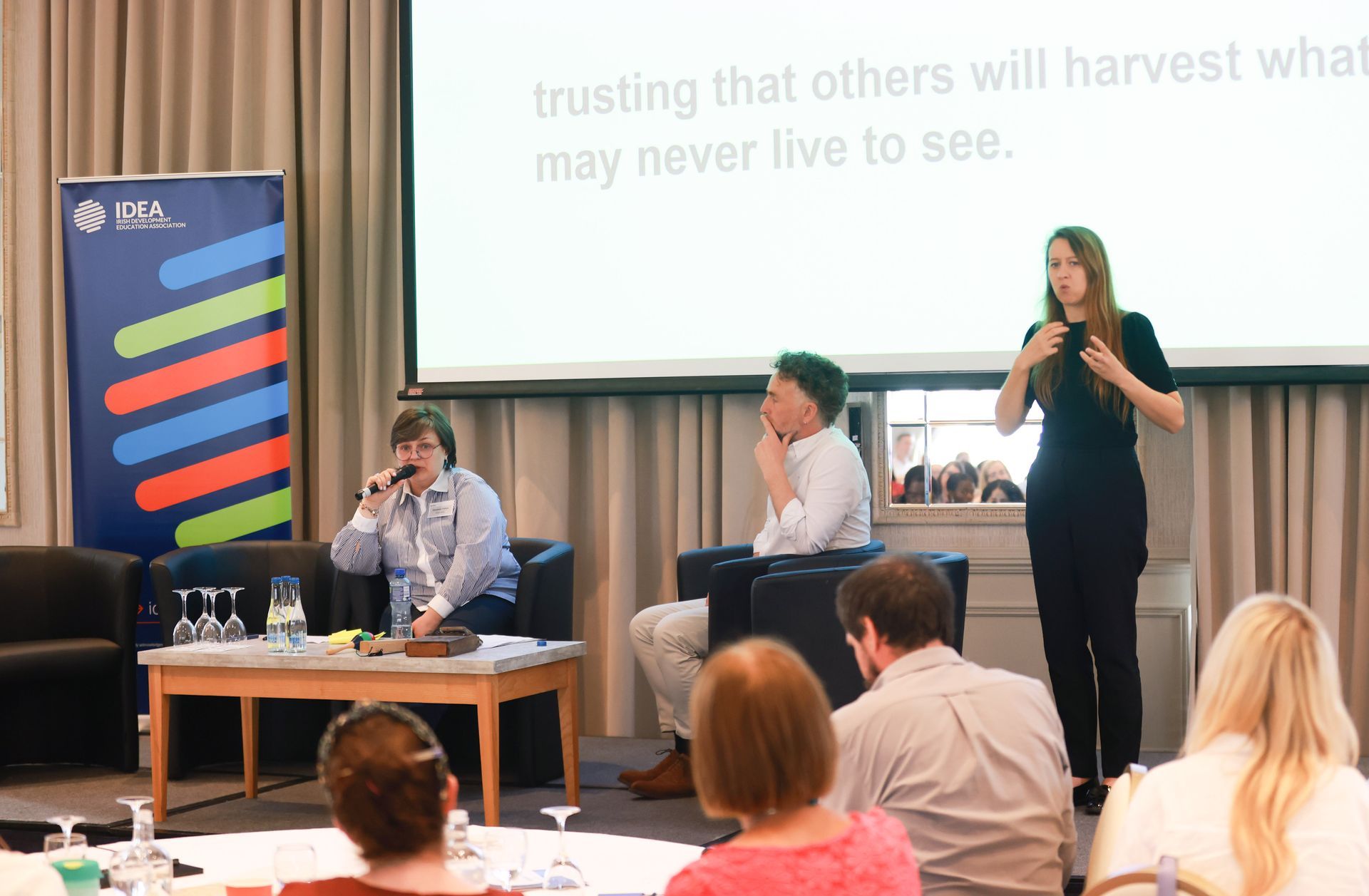
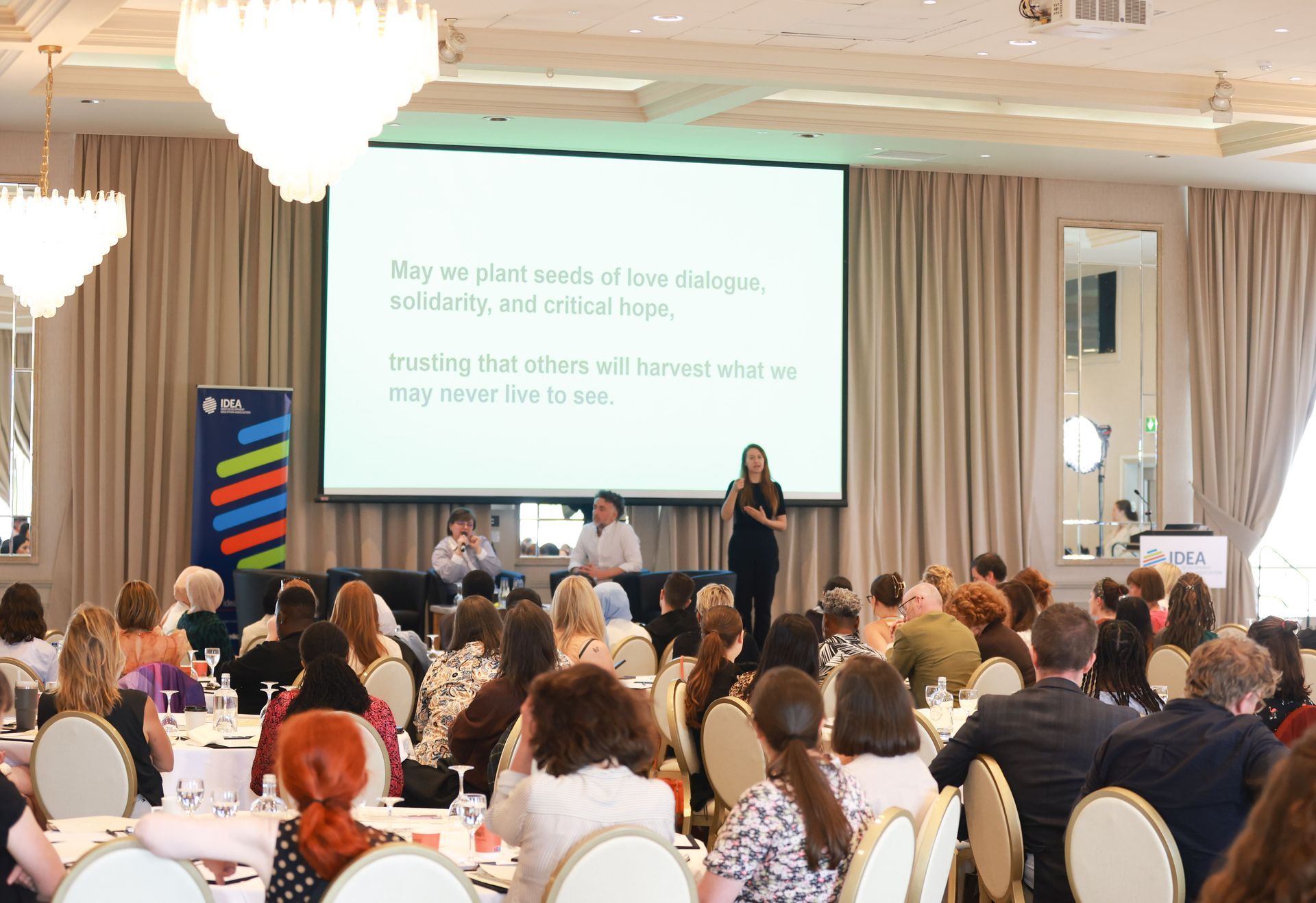
The panel brought together four speakers whose work spans community development, anti-racism education, decolonial practice, trauma-informed approaches and student activism. Together, they explored how education can respond to contemporary crises while fostering justice, participation and collective action.
- Fahmeda Naheed – Community Activism and Anti-Racism Education
Fahmeda Naheed shared insights from her extensive work in community organising, intercultural dialogue and anti-racism advocacy. Drawing on her leadership of the Irish Pakistani Community of Cork and her doctoral research on anti-racism education, she highlighted the importance of community-based learning spaces in building inclusion, challenging discrimination and strengthening social cohesion. Her contribution emphasised the role of education in amplifying marginalised voices and fostering solidarity across diverse communities. - John Magee – Global Citizenship Education and Praxis
John Magee reflected on his experience as an educator and school chaplain, demonstrating how Global Citizenship Education can move beyond awareness-raising towards meaningful action. Inspired by Paulo Freire's concept of praxis, he discussed the importance of creating opportunities for students to critically engage with global issues and translate their learning into action. His contribution highlighted the transformative potential of education when reflection and action are combined. - Macarena Montero – Decolonial Education and Student-Led Change
Macarena Montero brought a decolonial perspective informed by her background in community development and popular education. Drawing on her work with Educate Together, she explored how schools can support student-led activism and empower young people to become active agents of change. Her contribution focused on collective action, participation and education as a tool for advancing social justice. - Talha AlAli – Trauma-Informed and Decolonial Approaches to Education
Talha AlAli contributed insights from his work as a psychotherapist, educator and human rights activist. Drawing on his experience supporting survivors of war, torture and displacement, he examined the importance of culturally responsive, trauma-informed and justice-oriented approaches to education and wellbeing. His contribution encouraged participants to consider how educational spaces can support healing, dignity and liberation while addressing the impact of conflict and oppression.
“In a world marked by hate, racism, war, and violence, Paulo Freire held firmly onto the idea of love, and that was central to his message. What stands out most to me in his work is the concept of critical consciousness. He challenged the idea of education as simply transferring knowledge into passive learners. Instead, he understood education as a shared process, where people learn with and from each other, and where questioning dominant narratives becomes essential. This connects deeply with psychotherapy, where the aim is to support people in moving from being objects shaped by systems to becoming subjects, individuals who can understand those systems, challenge them, and transform them”
Talha AlAli
highlights
IDEA ANNUAL CONFERENCE, 2026
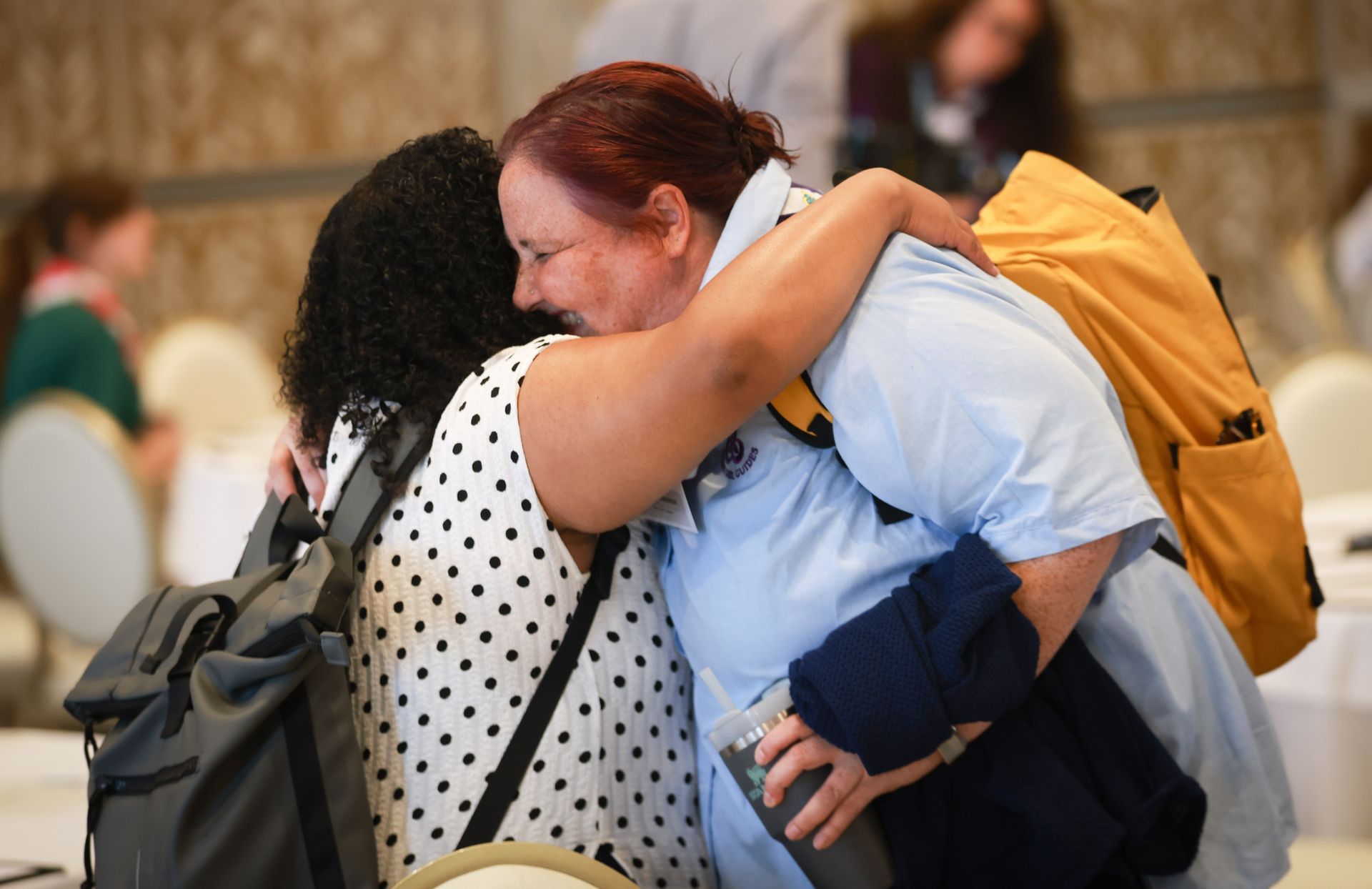
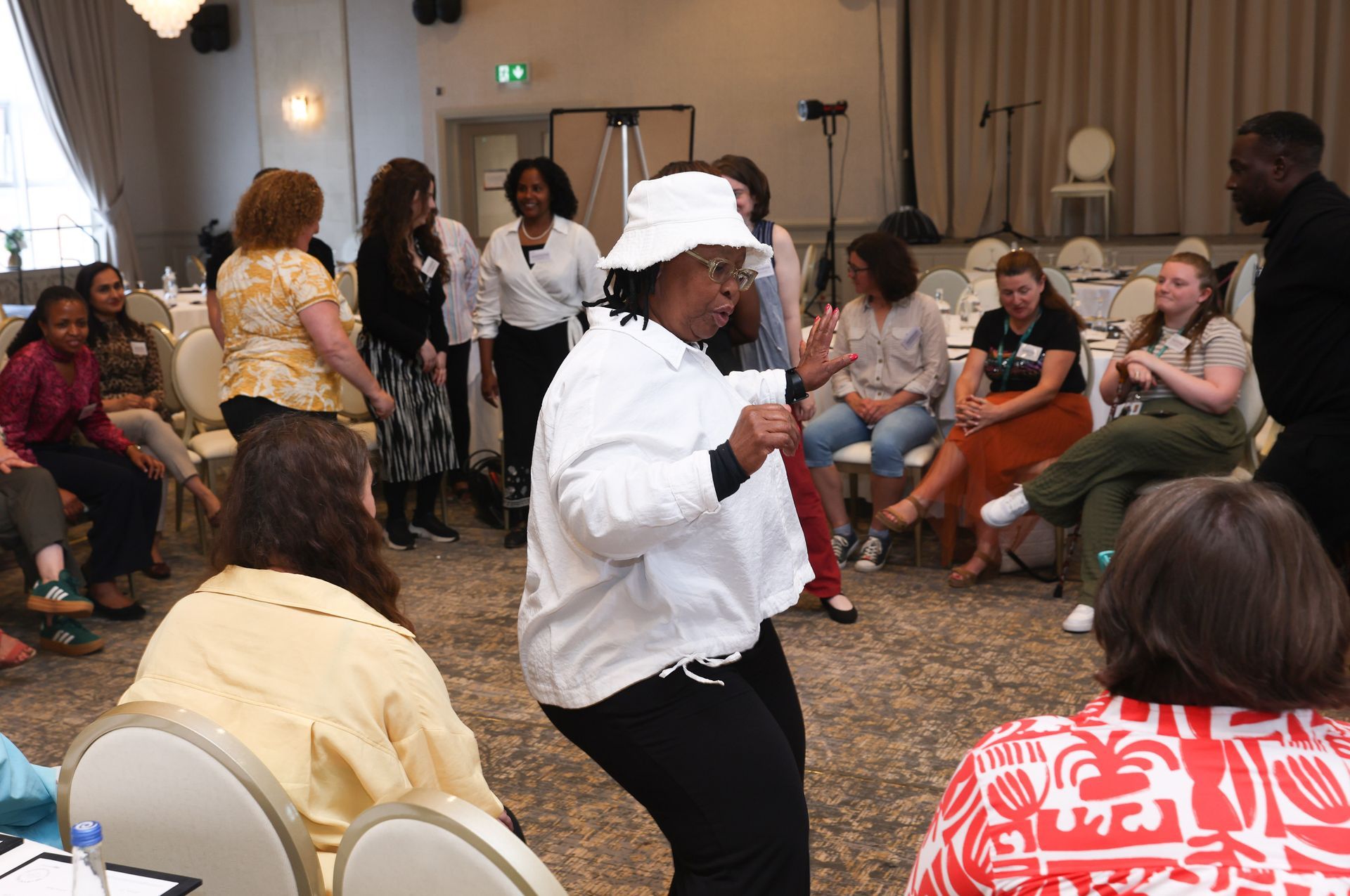
Watch the highlights from IDEA’s Annual Conference 2026 – Education for Liberation: GCE in an Age of Crisis. From thought-provoking workshops and inspiring conversations with Sally Hayden and Zoryana Pshyk to the vibrant performances of African Queens and the moving closing ceremony featuring The Blanket for Palestine, this video captures a day of reflection, creativity, solidarity and collective action for a more just world.
BIOGRAPHIES
Zoryana Pshyk
Zoryana Pshyk is an adult educator, facilitator, researcher, and community practitioner. Zoryana was born in Ukraine and has been living in Ireland for the past twenty years and holds both citizenships. Her work is grounded in the belief that education can become a space where people reclaim their voice, dignity, agency, and the possibility of acting together to change the world. Drawing from her own lived experience of migration and her experience of the Irish direct provision system, alongside years of working with asylum seekers, refugees, and marginalised communities, her practice explores how we as educators can help people to unlearn oppression, and move beyond systems of survival, and towards solidarity and collective transformation.
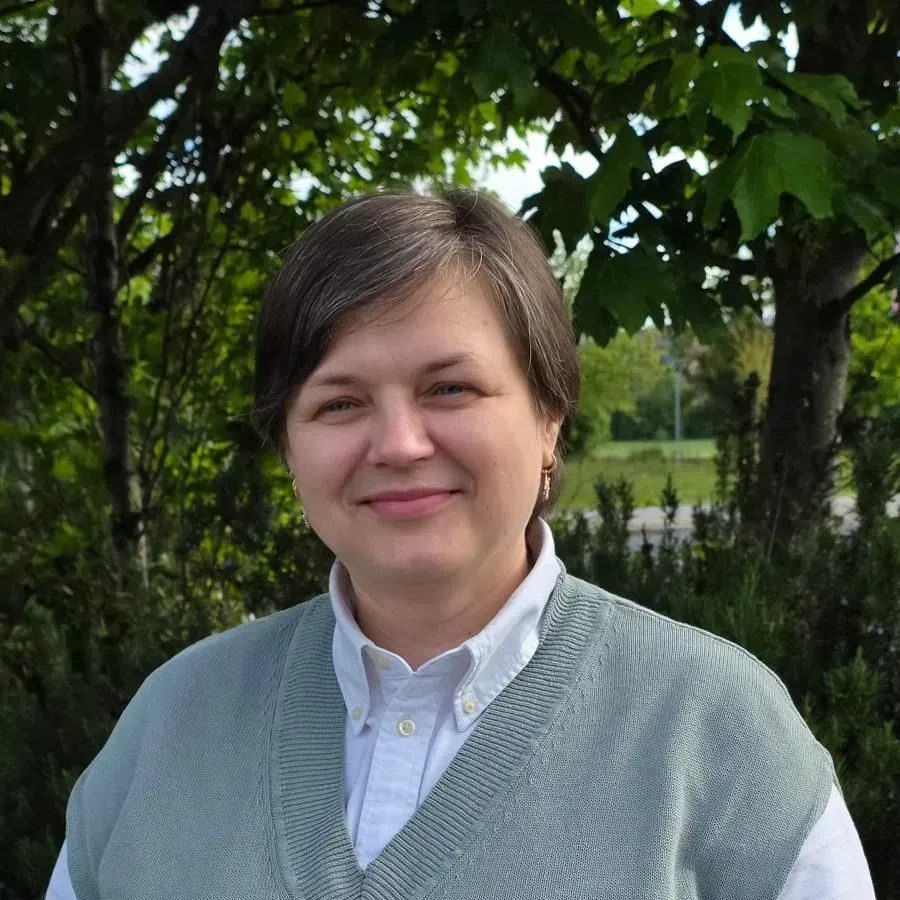
NIALL TIERNEY
Niall Tierney has been the Director of the Global Programmes Unit within Ireland’s Department of Foreign Affairs and Trade since September 2023. That Unit supports Ireland’s cooperation programming in S/E Asia, Central America, Colombia, SIDS, Palestine and Jordan, as well as the Ireland Fellowship Programme and the Global Citizenship Education programme. Previously, Niall was seconded to the UN Resident Coordinator Office in Mozambique in support of the national responses to the Covid19 pandemic and conflict in northern Mozambique. He also served as Head of Ireland’s Cooperation in Mozambique; Deputy Head of Cooperation in Ethiopia and was Ireland’s negotiator to the SDGs 2013-2015. Prior to joining the Department of Foreign Affairs in 2013, Niall served as Country Director and in other roles for Concern Worldwide in West and Southern African Countries for 13 years.
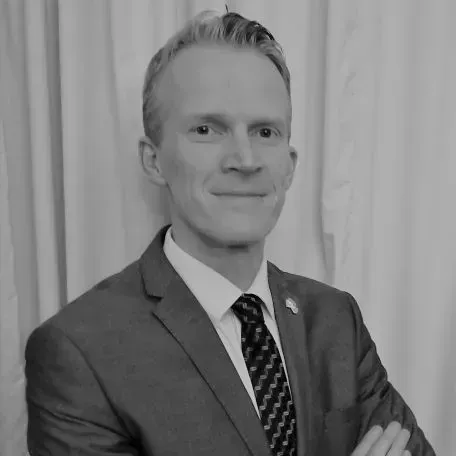
SALLY HAYDEN
Sally Hayden is an award-winning journalist, photographer and author.
She has worked with VICE, VICE News, CNN International, the Financial Times Magazine, TIME, the Thomson Reuters Foundation, BBC, the Washington Post, the Irish Times, the Guardian, the New York Times, Magnum Photos, Channel 4 News, Foreign Policy, Al Jazeera, NBC News, Maclean’s, the Sunday Times, Newsweek, RTE, ELLE, Marie Claire, Die Zeit, Voice of America, the Independent, the Telegraph, Deutsche Welle, IRIN, the New Statesman, the New Internationalist, the National, the TLS, the Huffington Post and ITV News, and had stories and/or photojournalism republished on six continents by outlets including Pacific Standard, National Geographic, NPR, the Wall Street Journal, the Times of India, Euronews, the Christian Science Monitor, Sky News, Der Spiegel, the Observer, the Globe and Mail, ABC News, Forbes, the Economist and TeleSUR English, among many others.
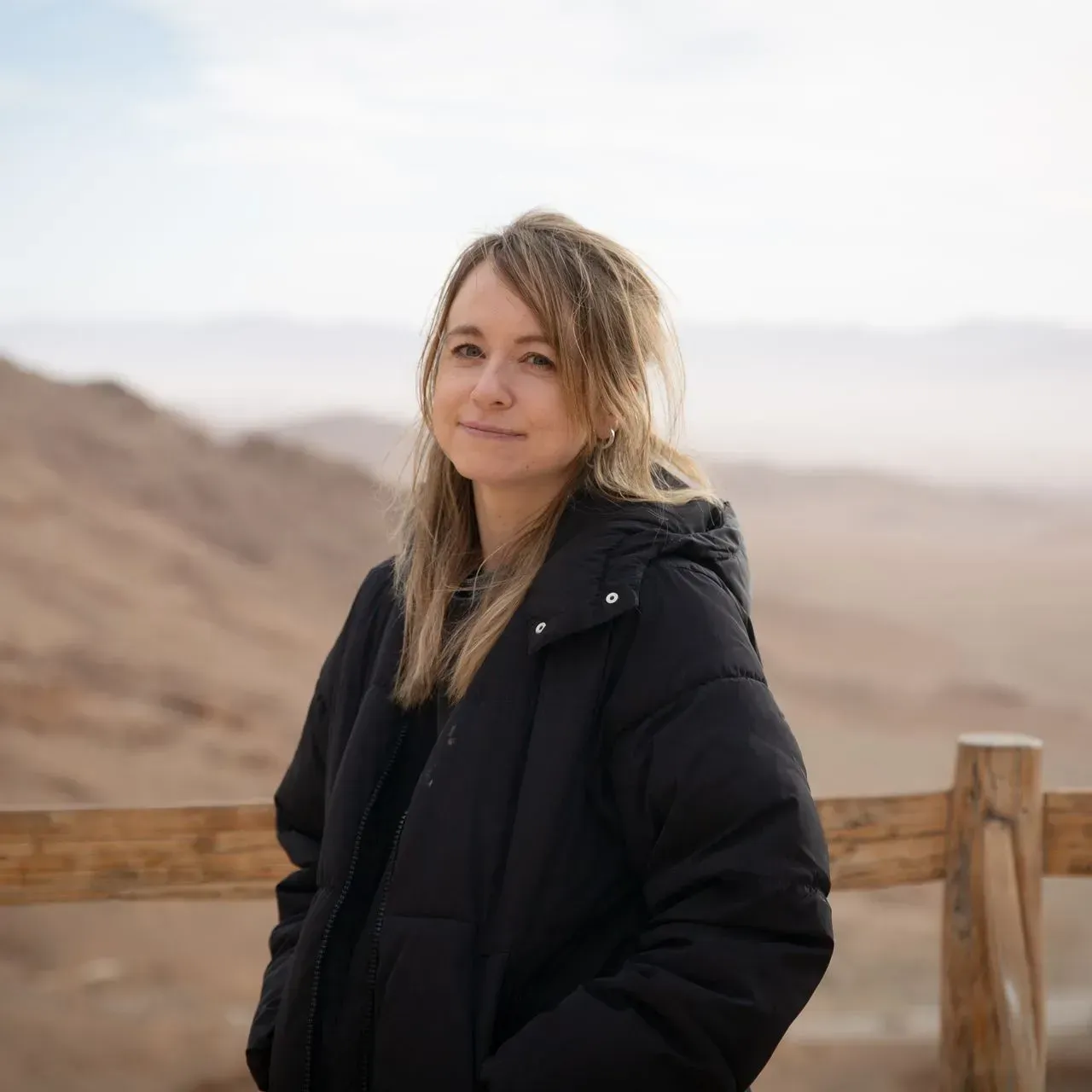
Zoryana FAHMEDA NAHEEDPshyk
Fahmeda Naheed is a multiple-award-winning community development leader, researcher, and intercultural facilitator with over fifteen years of voluntary and civic engagement in Cork and across Ireland. Her work spans community organising, radio broadcasting, intercultural dialogue, anti-racism advocacy, activism, training, and writing. She is the founder of the Irish Pakistani Community of Cork, an initiative that promotes community cohesion, supports underrepresented groups, interfaith dialogue, and builds cultural bridges through shared projects and events, including tutoring and fusion cooking (Irish Pakistani Food Fusion). As a doctoral researcher with DCU, Fahmeda explores anti-racism education through the lens of community education, contributing to national debates on identity, migration, and the shifting landscape of Irish multiculturalism. She believes strongly in the power of community spaces, and often uses community cooking initiatives as a way to connect people, share culture, and spark dialogue. Recognised locally and nationally for her civic impact, Fahmeda embodies courage, compassion, and collective responsibility—amplifying marginalised voices and fostering solidarity across communities. Fahmeda Naheed exemplifies active citizenship and positive social change through her extensive voluntary work, lived experiences, leadership, and advocacy in Cork and across Ireland.
JOHN MAGEE
John Magee has worked in post-primary education since 1993. He has taught in England and spent twelve months teaching in Uganda. Since 2003, he has served as Chaplain at Millstreet Community School, Co. Cork. Providing opportunities for students to engage with global justice issues has always been central to his work. John first connected with WorldWise Global Schools (WWGS) in 2014, and its support has been integral to the school's Global Citizenship Education (GCE) initiatives ever since. One of the highlights of this work has been the annual Language and Culture Week. Drawing on Paulo Freire's concept of praxis, John believes that students should not only learn about global issues but also think critically about them and be empowered to take meaningful action.
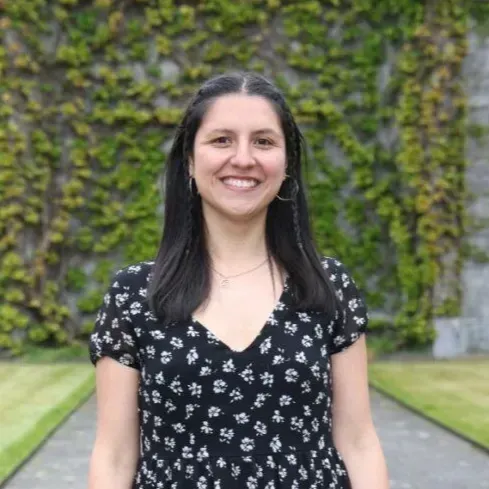
MACARENA MONTERO
Macarena serves as GCE Officer at Educate Together, where she leads work on embedding student-led activism across primary schools. Originally from Chile, she brings decolonial thinking, a background in community development, and experience in popular education. Her practice is grounded in collective action and a firm belief in education as a transformational force for justice.
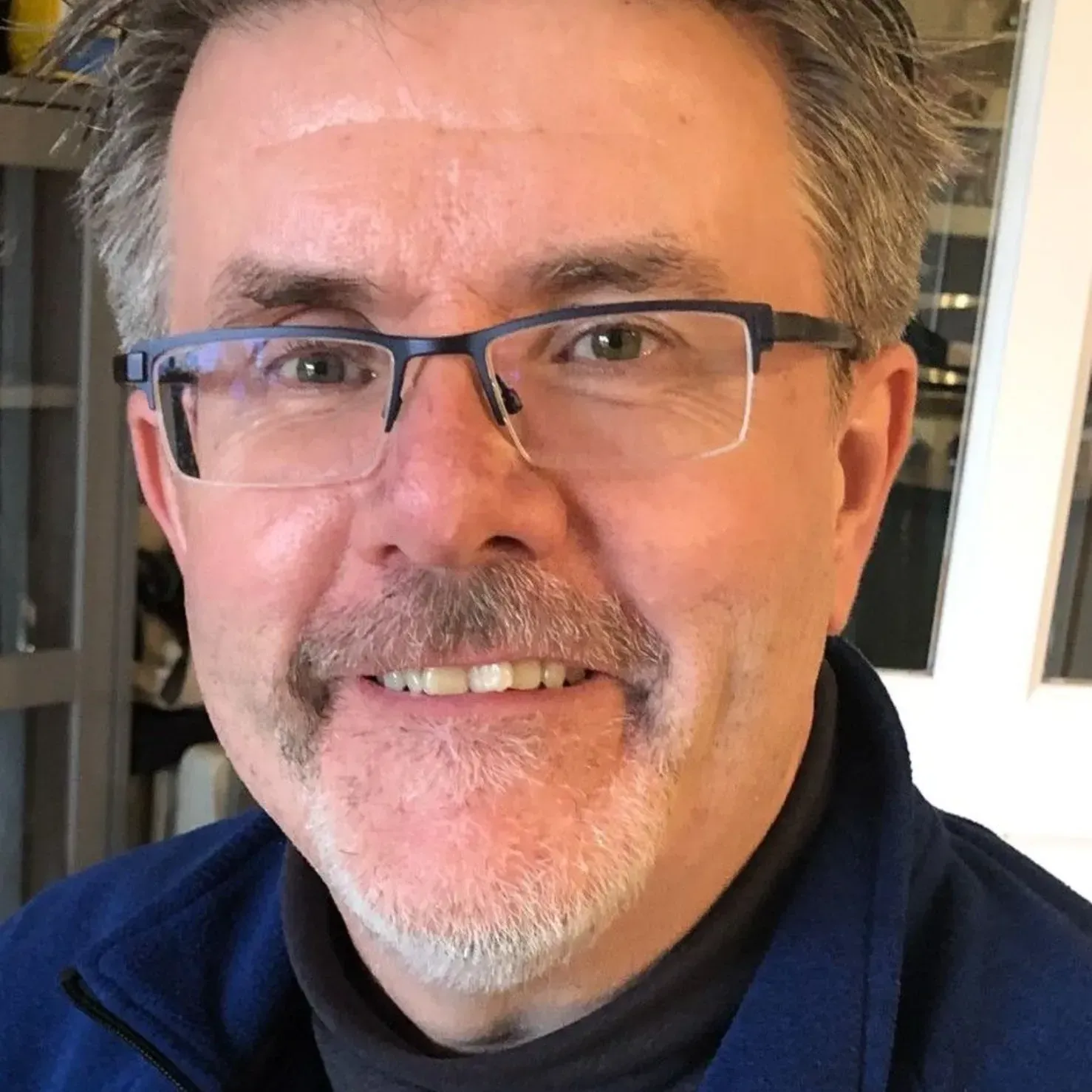
TALHA ALILI
Talha AlAli, MSc, MA, is a Palestinian psychotherapist, author, human rights activist, educator and the founder of Decolonised Minds, a platform dedicated to culturally grounded and politically conscious approaches to mental health. Based in Ireland, he currently maintains a private practice while also serving as a psychotherapist with the Irish Red Cross, supporting Arabic-speaking survivors of torture and war trauma. Talha integrates trauma-informed, culturally responsive, and justice-oriented practice into his work. His book, Decolonised Minds: When Radical Becomes Rational, offers a framework for reimagining psychotherapy through decolonial and liberation psychology perspectives. A member of the Psychological Society of Ireland (PSI) and a member of the Irish Association for Counselling and Psychotherapy (IACP), Talha brings nearly two decades of clinical and humanitarian experience to his work. Prior to his current roles, he worked extensively with Doctors Without Borders (MSF) across several missions.
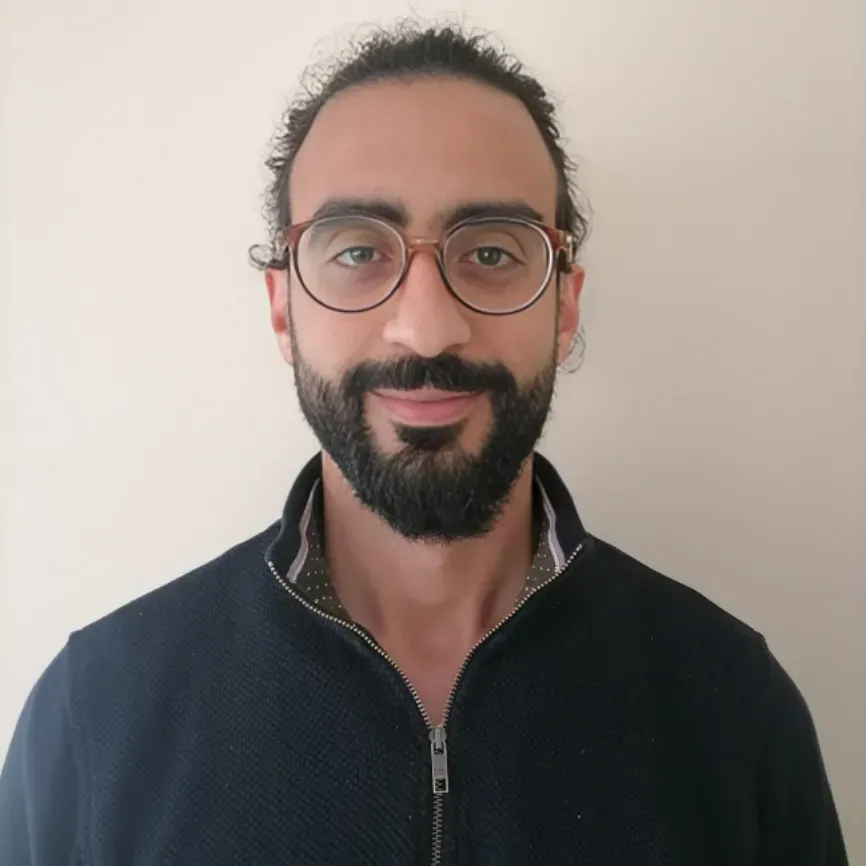
AZIZ ABUSHARK
Aziz Abushark is a Palestinian musician who blends traditional Palestinian influences with contemporary sounds, using music as a form of storytelling inspired by his father, Asad Abushark. He has been playing his instrument for over 17 years and has performed both locally and internationally. A Computer Science graduate of Trinity College Dublin and currently pursuing an MSc in Cybersecurity at University College Dublin, Aziz also co-founded Young Minds, an educational coding academy, which equips students aged 7-18 with coding, and cyber safety skills through engaging, project-based learning, helping them build confidence and future-ready digital skills.
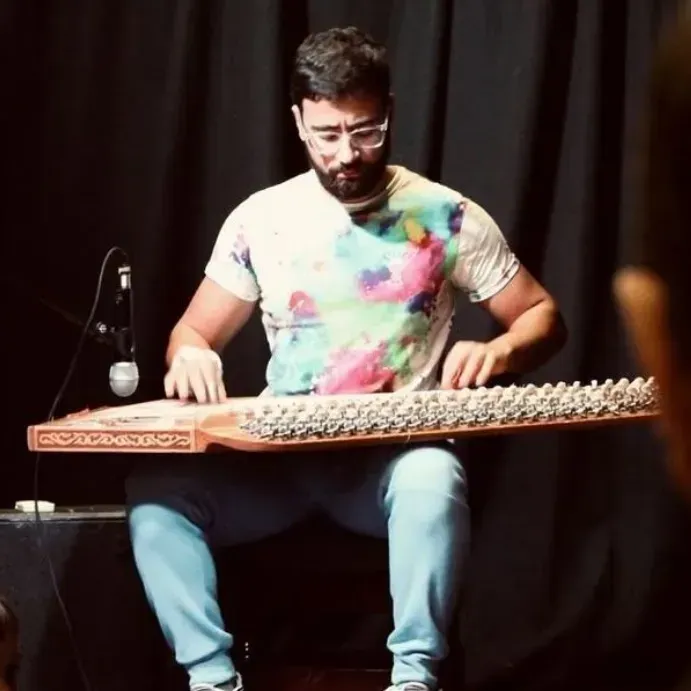
Nomalanga Zulu and Neo Florence Gilson
Nomalanga Zulu and Neo Florence Gilson are socially engaged artists and members of African Queens. Through music, storytelling and performance, they create opportunities for intercultural dialogue, community connection and learning, drawing on African artistic traditions as tools for empowerment and social change.
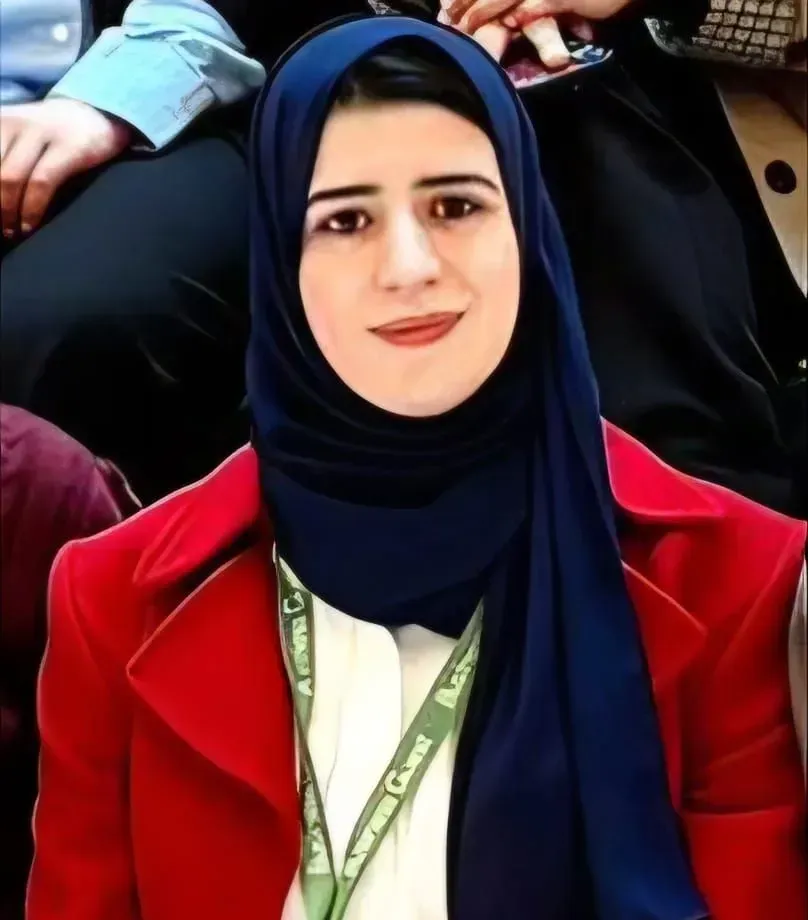
Nima Ashour
Nima Ashour is a teacher from Gaza, where she worked with UNRWA. She recently evacuated to Ireland, where she is now an adult educator with the City of Dublin’s YES Project. Nima is also an MSc student in Equality Studies at UCD, and a previous Student Partner in Teaching and Learning Unit at UCD. Her academic work centres on gender equality, decolonial feminism, education, and Palestinian women’s experiences.
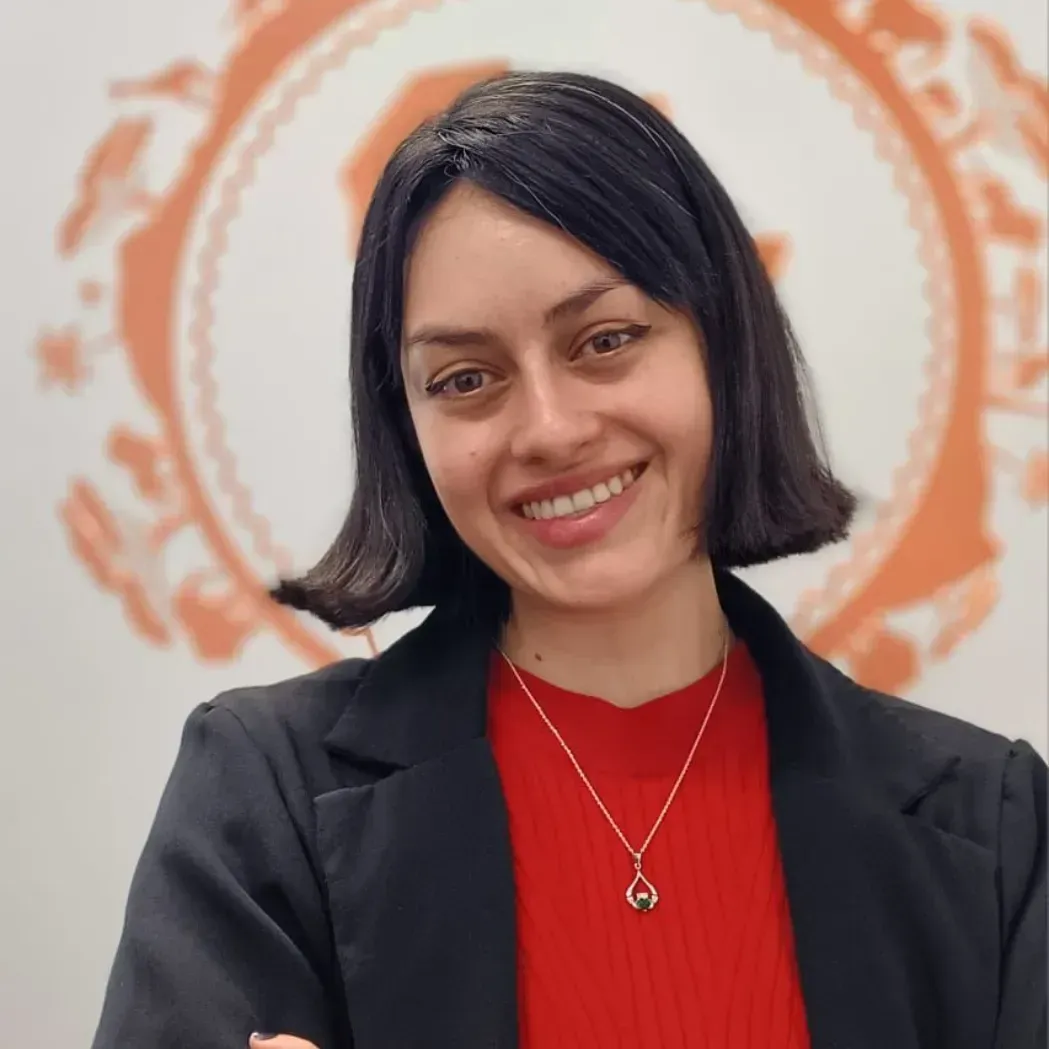
Daniela Jiménez-Montero
Daniela Jiménez-Montero is a feminist economist originally from Costa Rica, with experience in social research, public policy, and international cooperation across Europe and Latin America. She holds degrees in Development Economics from the National University of Costa Rica and in Gender, Politics and International Relations from University College Dublin. Daniela currently works as Community Engagement and Legal Information Officer at Africa Solidarity Centre Ireland (Africa Centre), a national organisation that supports migrants, refugees, and people seeking international protection through community development, legal information, integration initiatives, and advocacy for racial and social justice in Ireland. In her role, she works closely with migrant and African diaspora communities, supporting access to rights, strengthening community participation, and building connections between communities and public institutions. Her work focuses on gender, migration, care systems, and LGBTIQA+ rights through an intersectional lens. Having studied Paulo Freire during her university years, his philosophy has remained a key inspiration in her educational and political approach, particularly within Latin American and African traditions of social justice and liberation.
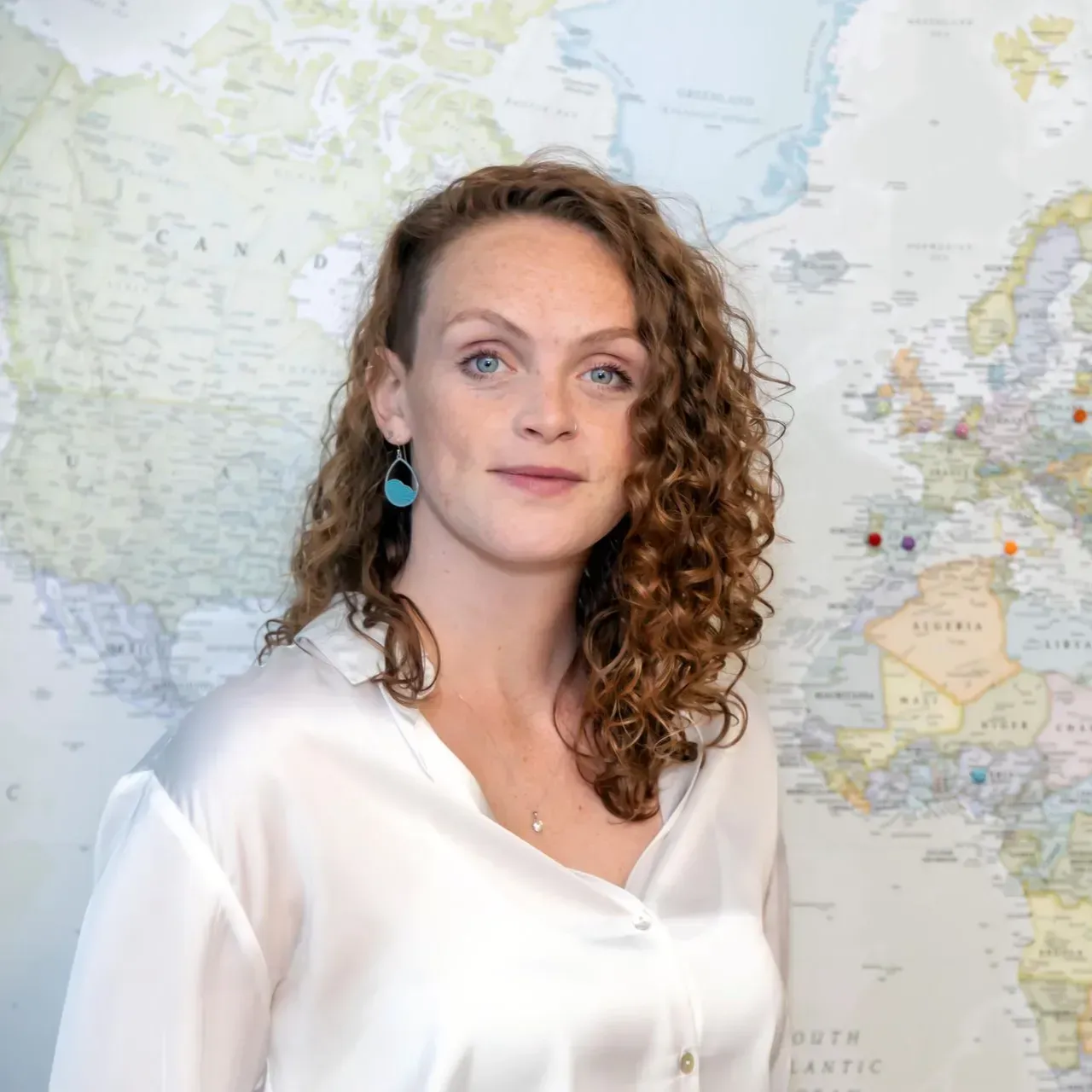
Ellen Corby
Ellen Corby is the Global Citizenship Education Coordinator with LYCS. She has worked with LYCS since 2023 and coordinates LYCS’ extensive GCE programme, with significant experience in the delivery of participatory arts-based programming. Ellen holds a BA in Drama Studies/Modern Irish from Trinity College Dublin, and an MSc in Global Health majoring in Sexual and Reproductive Health from the Institute of Global Health and Development at Queen Margaret University Edinburgh. She is currently completing a MEd in Adult and Community Education at Maynooth University.
Mica O’Dwyer
Mica O’Dwyer is the Global Citizenship Education Worker with LYCS, having joined the organisation in April 2025. She supports the development and delivery of impactful programmes and community outreach initiatives within the North East Inner City of Dublin. Mica attended University College Dublin and holds a BA in Linguistics with Communication and Information Studies and an MSc in Equality Studies. Her thesis focused on homelessness, exploring the commodification and aestheticisation of poverty in the luxury fashion industry.
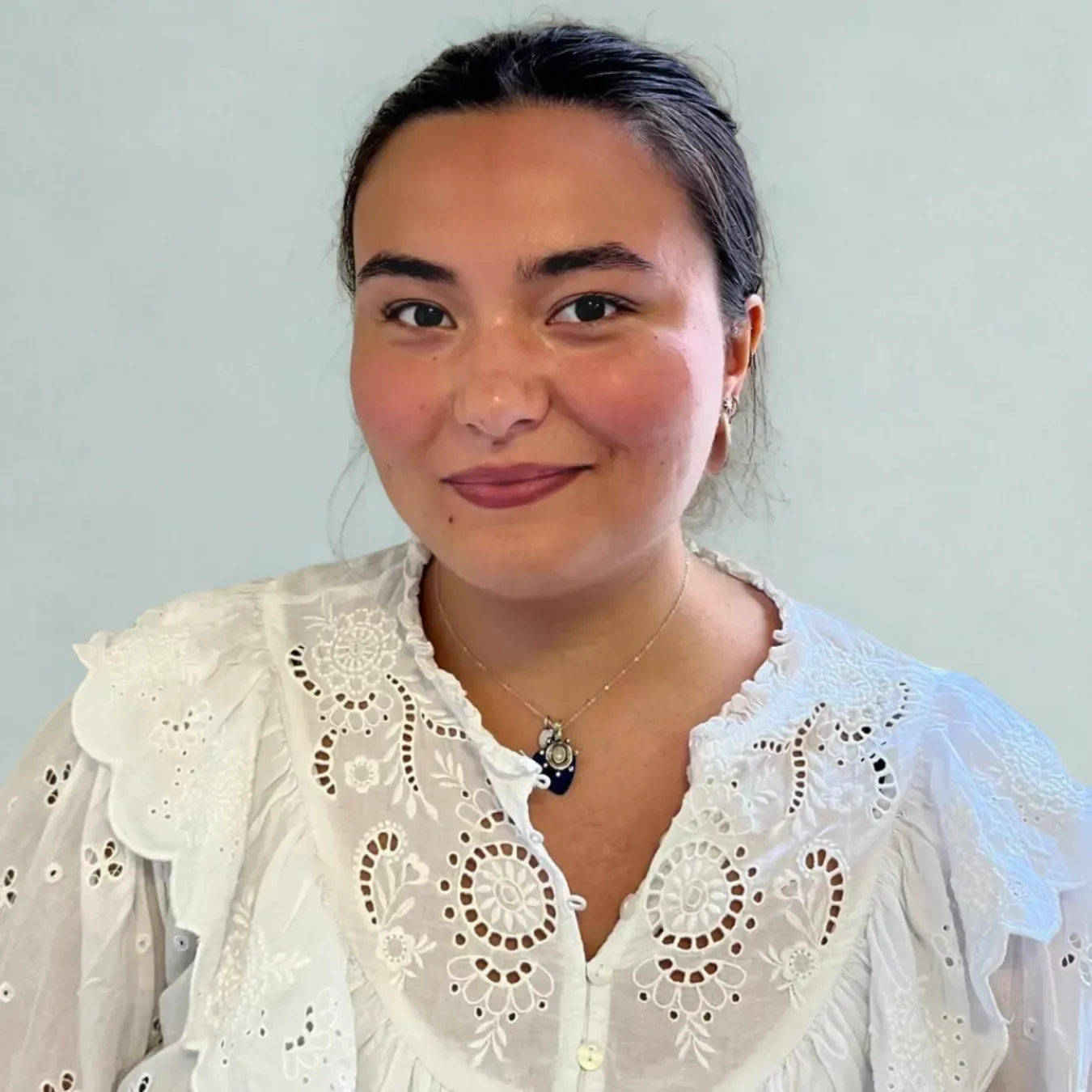
Peter Dorman
Peter Dorman has been involved in both community work and with Partners Training for Transformation for forty years. Peter has been active in grassroots community education, organisational development, regeneration, addressing the impact of drug trade on communities and leadership in intercultural community development. Paolo Freire’s work was incorporated into Training for Transformation A Handbook for Community Workers by Ann Hope and Sally Timmel in the 1970s which was then taken up by Partners Training for Transformation as the basis for community leadership in Ireland.
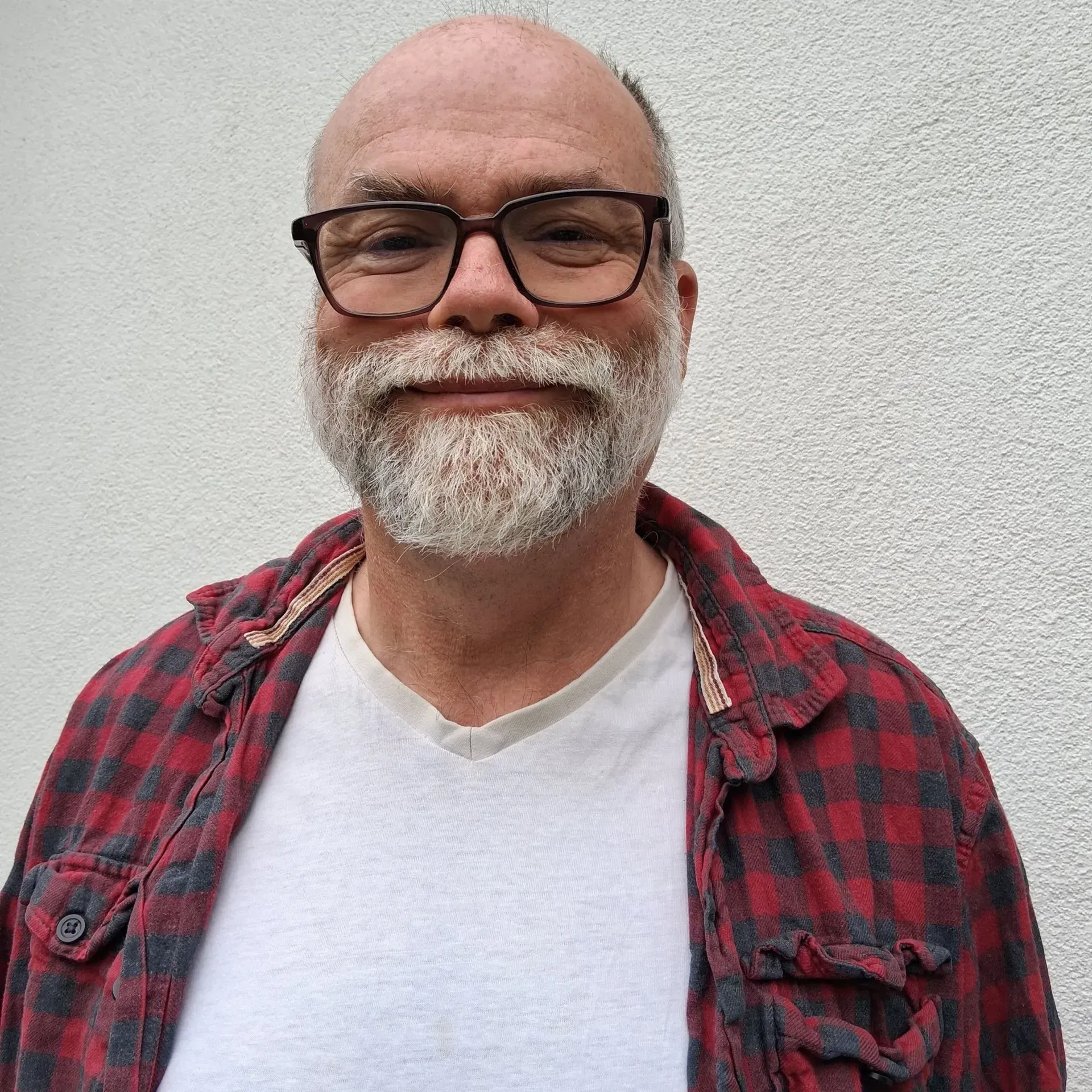
Aleesha Wiegandt
Aleesha Wiegandt has been working in Global Citizenship Education since 2019. She is a creative facilitator, community organiser, activist and multi-disciplinary artist based in Cork, Ireland. She uses data visualisation, movement practices, and graphic harvesting to engage folks in change making. Aleesha is a pleasure activist and passionate about creating third spaces.
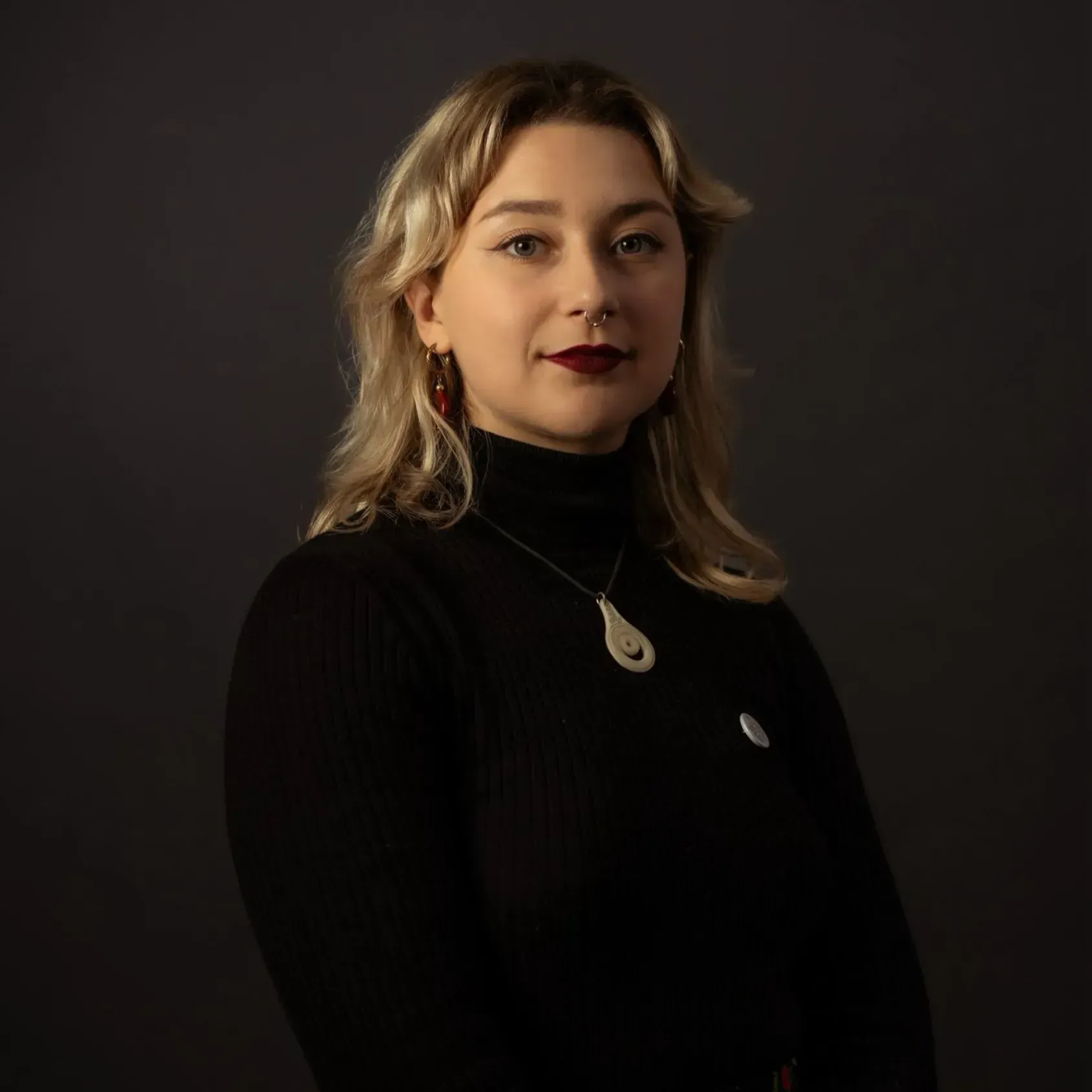
Zoe McKenna
Zoe McKenna is a pleasure activist, an artist, musician, youth and community development worker, soon-to-be art therapist and a Global Citizenship Educator from Mayo based in Cork. Like Aleesha, she is a graduate of MTU’s Creativity and Change course class of 2025.
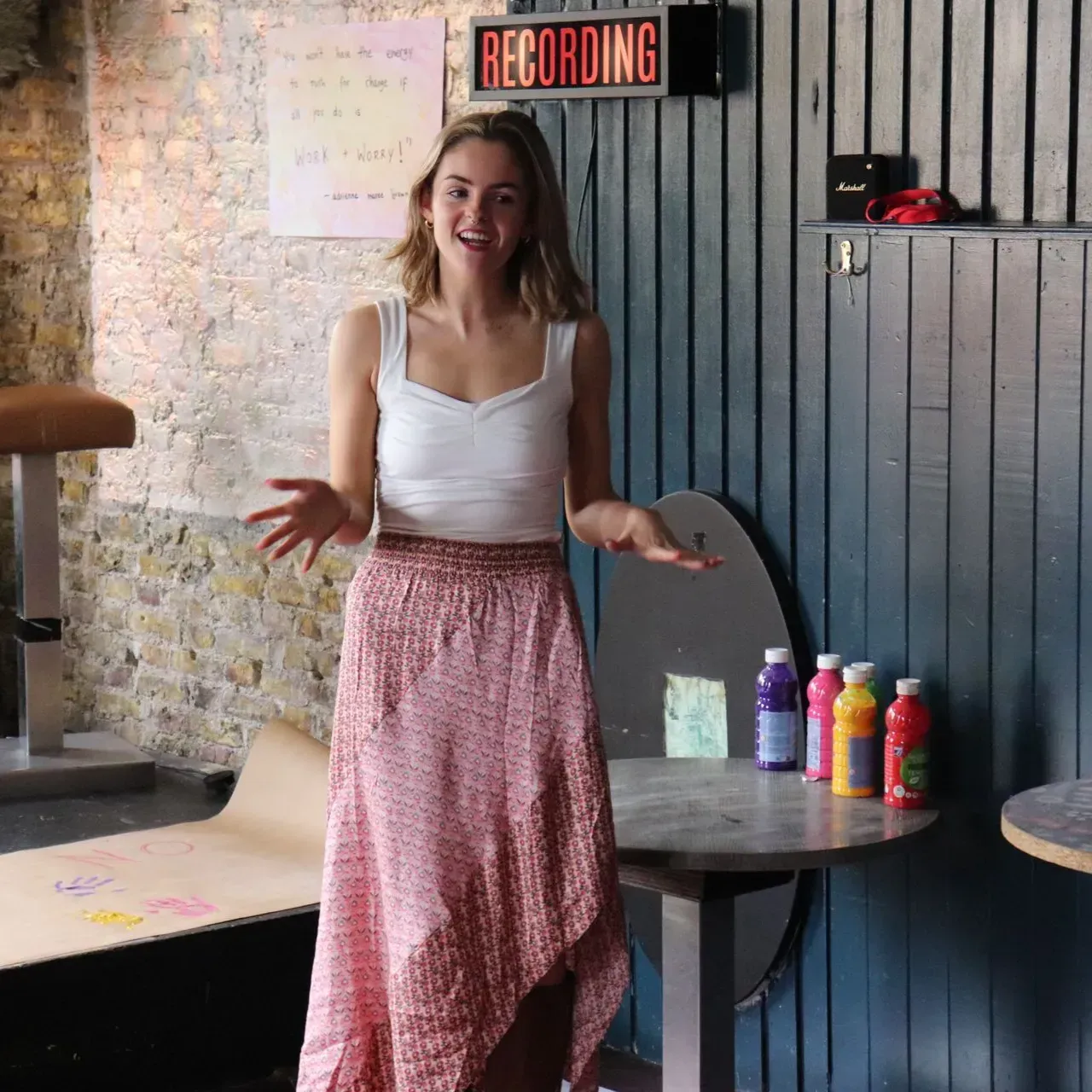
Sive Bresnihan
Based in Leitrim, Sive Bresnihan is a trainer and facilitator in global citizenship education, with a background spanning theatre, human rights, and international development. Until January 2026, she was Training and Education Co-ordinator with Comhlámh, where she spent almost a decade designing and facilitating workshops and learning programmes - including projects such as “E-TICK” and “DEFY” - supporting learners to explore ‘difficult knowledge’ and questions of justice, solidarity and community. Drawing on her roots in applied drama and theatre, Sive has a growing interest in process work and creative, embodied approaches to learning. She recently completed a two-year training in Gestalt Theatre and will begin further training in Gestalt this autumn. She also has extensive training in Theatre of the Oppressed.
WORKSHOP SESSIONS
IDEA ANNUAL CONFERENCE, 2026
Emotion and Motivation: Capturing Energy - The Genius of Freire
This interactive workshop introduces participants to some of Paulo Freire's most influential ideas, including listening, generative themes, coding and facilitating reflection that leads to action. Drawing on approaches from Training for Transformation, participants will experience practical tools for fostering dialogue, collective learning and grassroots leadership in educational and community settings.
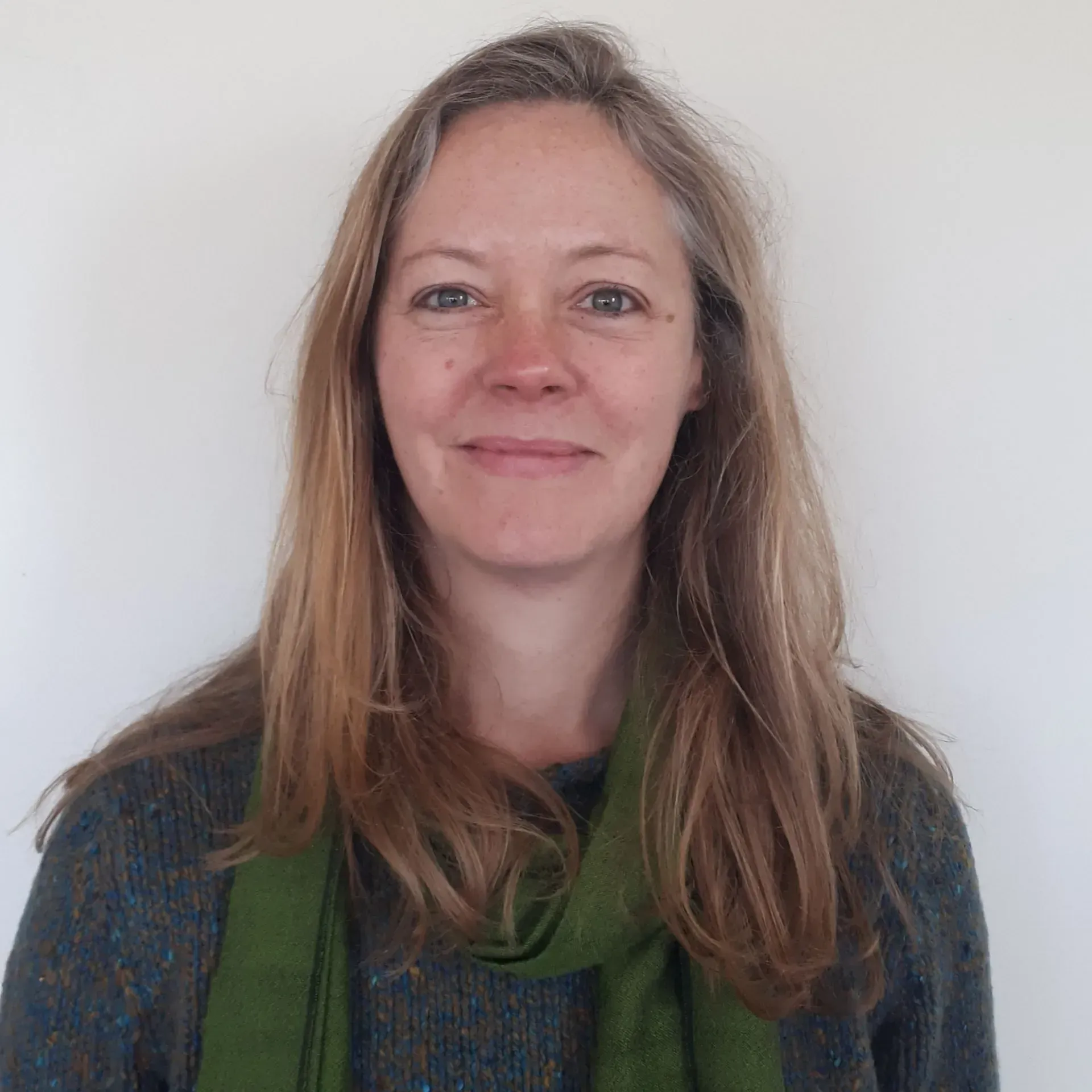
Facilitator: Peter Dorman has worked in community development and education for over 40 years and has been involved with Partners Training for Transformation for four decades.
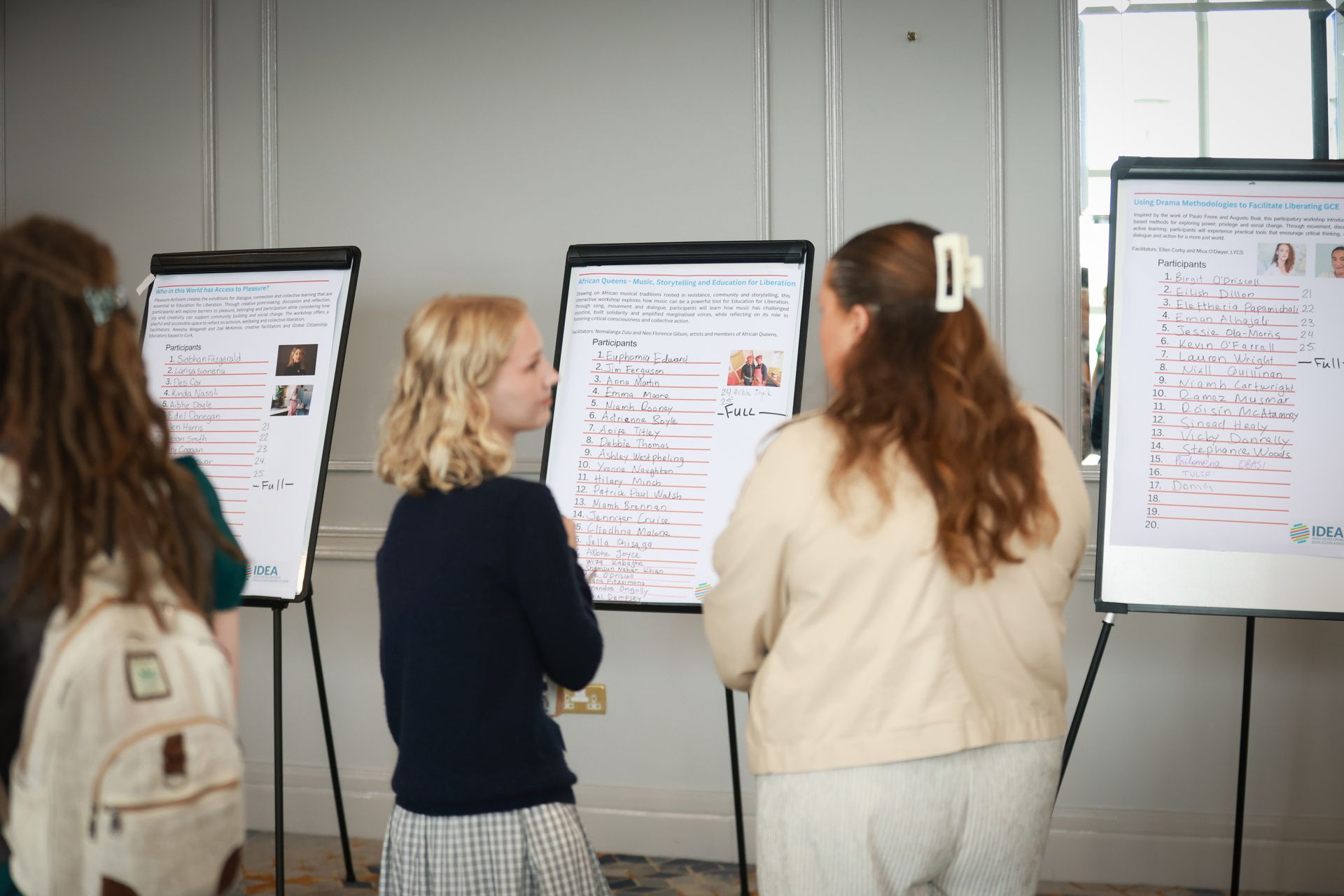
Using drama methodologies to facilitate liberating GCE
Inspired by the work of Paulo Freire and Augusto Boal, this participatory workshop introduces drama-based methods for exploring power, privilege and social change. Through movement, discussion and active learning, participants will experience practical tools that encourage critical thinking, meaningful dialogue and action for a more just world.
Facilitators:
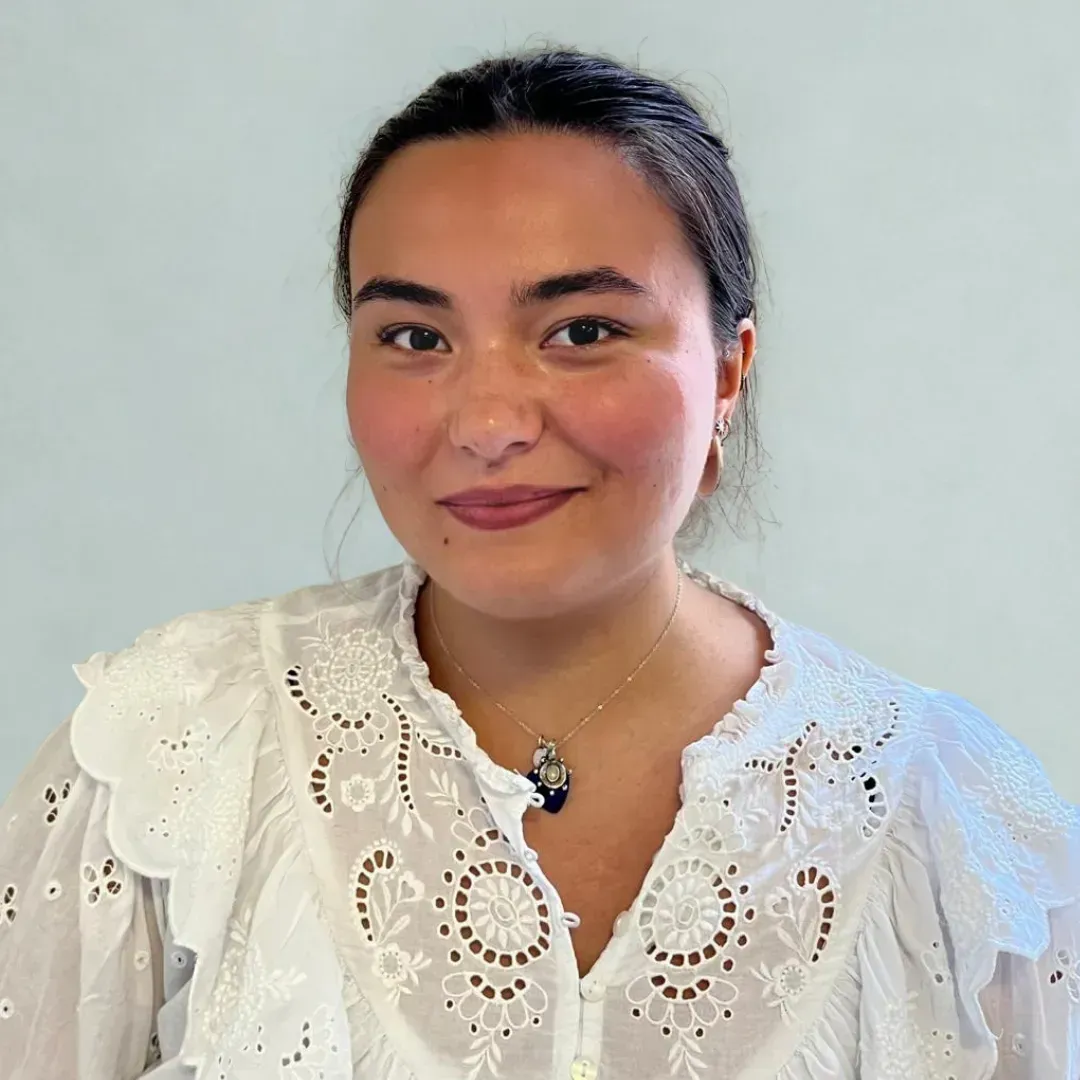
Mica O’Dwyer, GCE Worker, LYCS / Ellen Corby, GCE Coordinator, LYCS
African Queens - Music, Storytelling and Education for Liberation
Drawing on African musical traditions rooted in resistance, community and storytelling, this interactive workshop explores how music can be a powerful tool for Education for Liberation. Through song, movement and dialogue, participants will learn how music has challenged injustice, built solidarity and amplified marginalised voices, while reflecting on its role in fostering critical consciousness and collective action.
Facilitator:
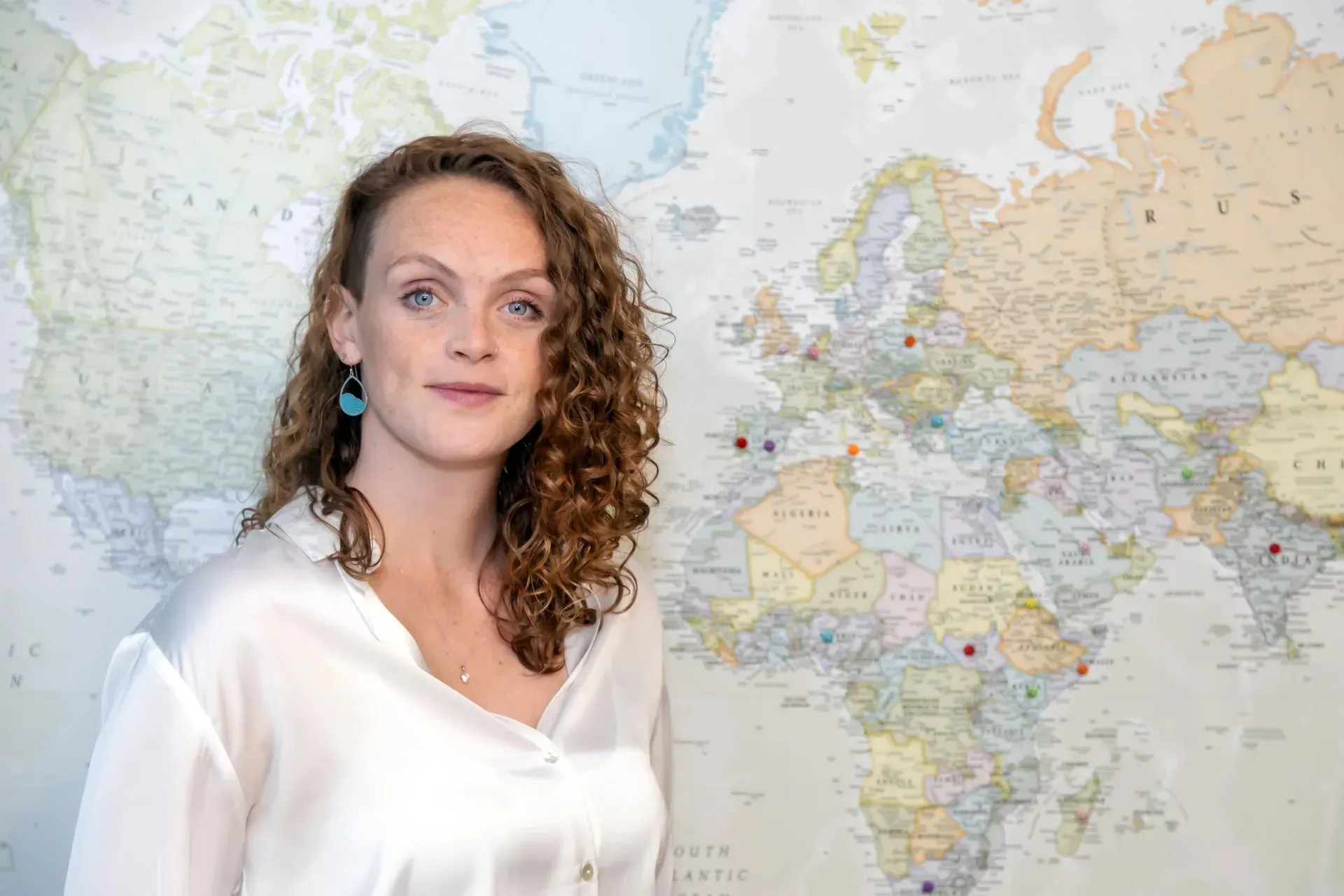
Nomalanga Zulu, Neo Florence Gilson - Artists and Members of African Queens
Who in this world has access to pleasure?
’Pleasure Activism’ creates the conditions for dialogue, connection and collective learning that are essential to Education for Liberation. Through creative print-making, discussion and reflection, participants will explore barriers to pleasure, belonging and participation while considering how joy and creativity can support community building and social change. The workshop offers a playful and accessible space to reflect on activism, wellbeing and collective liberation.
Facilitators:
Aleesha Wiegandt, a creative facilitator, community organiser and multidisciplinary artist / Zoë McKenna, a pleasure activist, artist, musician, and Global Citizenship Educator
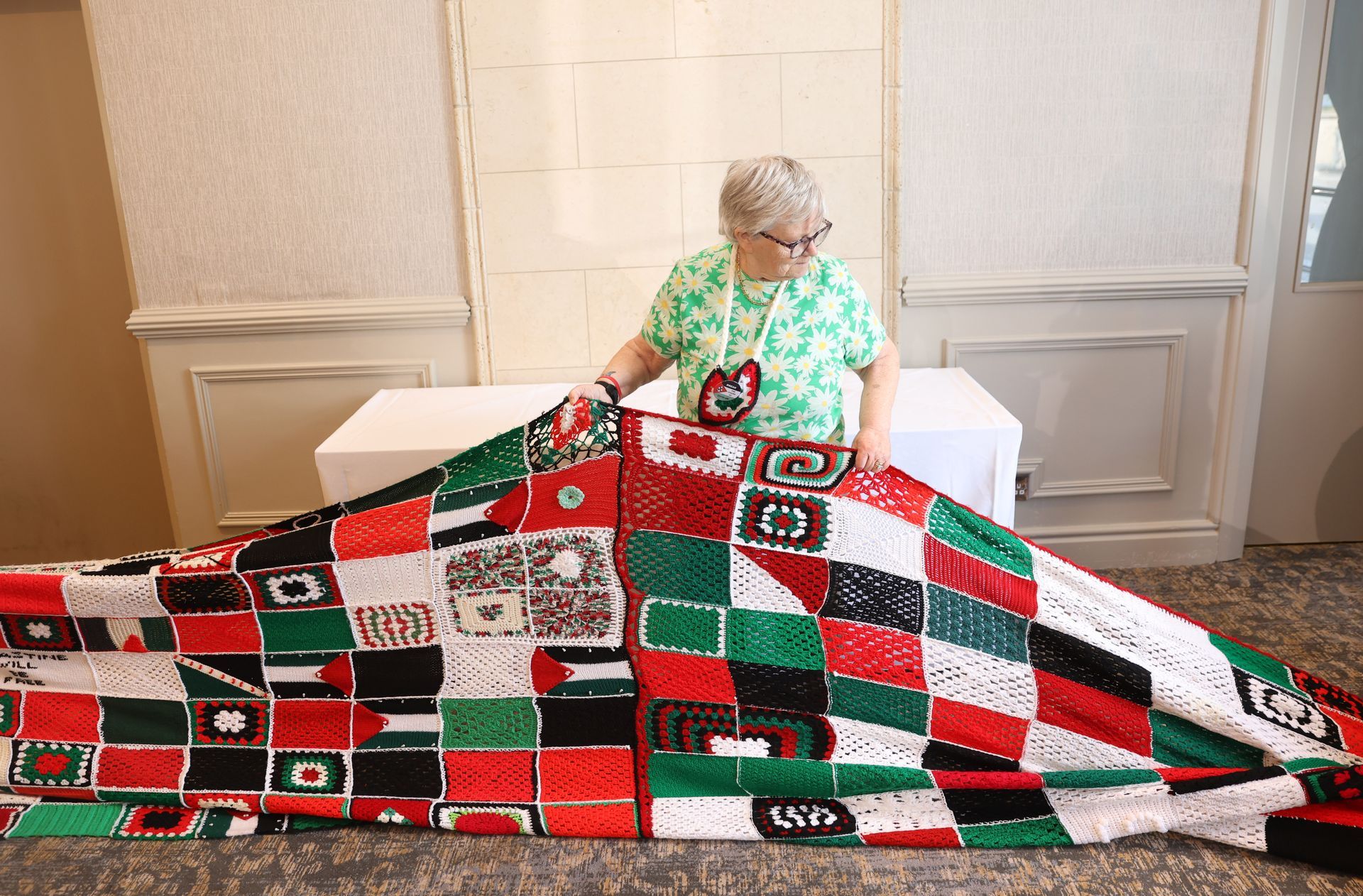
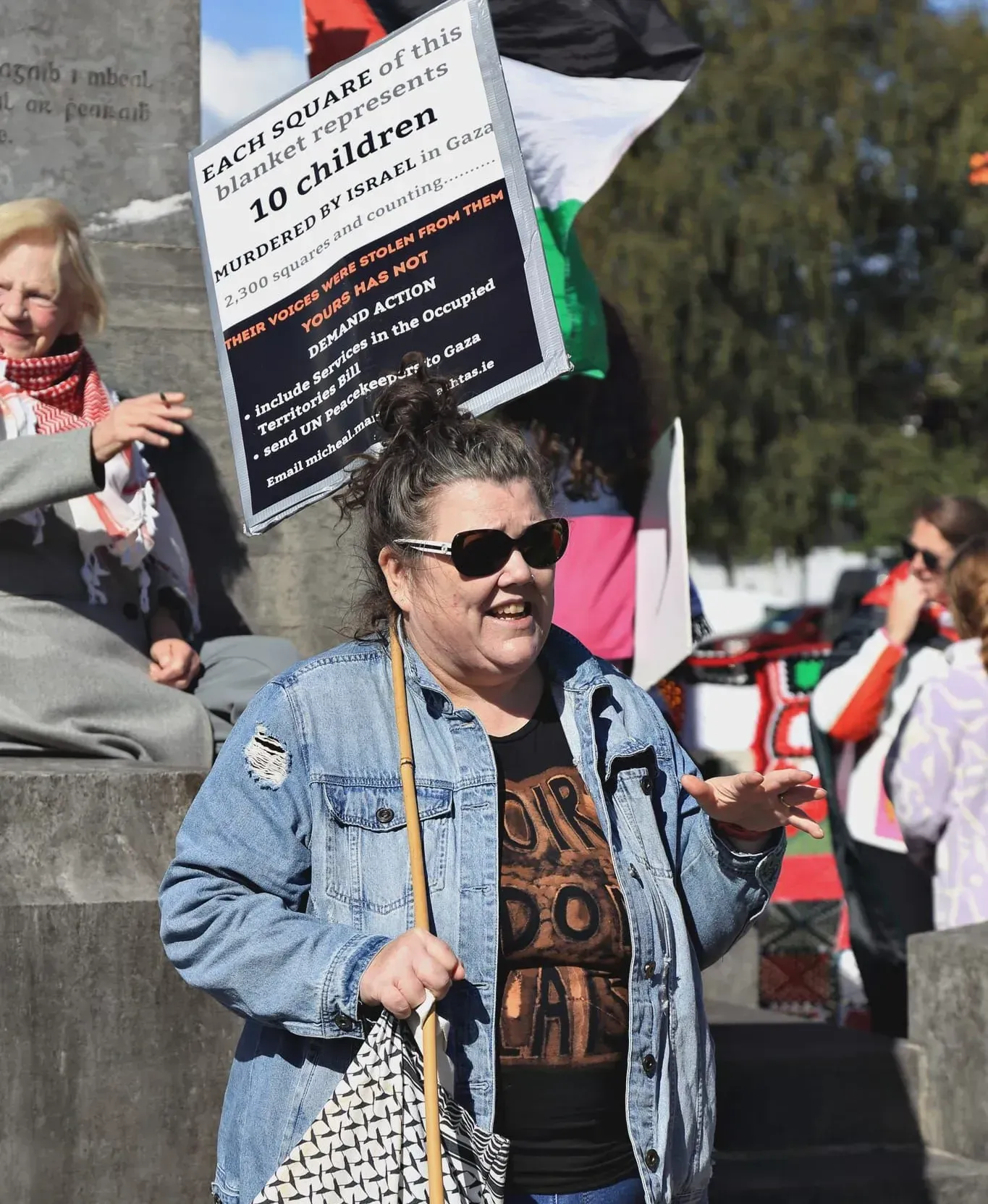
Niamhie Bonner and Craftivism for Palestine
Founded Craftivism for Palestine in November 2023 as a way to protest the atrocities being carried out on the people of Palestine, using a medium that was accessible to people who might not be able to protest or attend vigils.
Initially, people were asked to send squares, and they put together blankets to raffle.
On May 25 they decided to make one big blanket as a visual representation of the children that had been murdered since October 2023. One square represents 10 children murdered. Initially, they needed 1,300 squares
Blanket now has 3000 squares representing 30,000 children slain.
Nurturing Educator Reflexivity through Gestalt Theatre
Paolo Freire’s writings remind us that alongside tools and session plans, what counts is how we show up as educators - the presence we bring, our self-knowledge, our regard for others and the extent of our own learning disposition. This experiential workshop offers participants a chance to explore these threads through a sequence of activities drawn from Gestalt Theatre. Inviting curiosity over judgment, presence over perfection. For this workshop, be ready for some movement and self-inquiry.
Facilitator:
Sive Bresnihan, A trainer and facilitator in Global Citizenship Education.
From Conscientisation to Collective Action - Freirean Dialogues Across Africa and the Diaspora
Drawing on Paulo Freire's Pedagogy of the Oppressed and traditions of African liberation thought, this participatory workshop explores how education can foster critical consciousness and collective action. Through dialogue, reflection and social critique cartoons, participants will examine issues of exclusion, power and belonging while identifying practical ways to promote justice and social transformation in their communities.
Facilitator:
Daniela Jiménez-Montero, A feminist economist from Costa Rica and Community Engagement and Legal Information Officer with Africa Solidarity Centre Ireland.