
Exploring Contemporary Crises and Issues through Global Citizenship Education: Between Neutrality and Militarisation
March 27, 2025

Date:
Wednesday 30 April, 12.30-2.00pm
Location:
Online via Zoom
Global tensions are rising, with increasing drum beats of war and militarism. The human cost of war, conflict and genocide is evident across the globe while the arms trade is profiting hugely from this bloodshed. Militarism fuels violence, displacement and inequality threatening life on every continent. In Ireland, the long-held policy of military neutrality is also coming under threat, and the war in Ukraine has pushed the European Union ever closer towards a militaristic approach to security and defence. For some, Irish neutrality is an illusion amid growing geopolitical turbulence, while for others, it is at the core of who we are in terms of peacekeeping, conflict resolution, and humanitarian interventions.
What does the future hold for Ireland’s role internationally? The ethos of Global Citizenship Education is based on global solidarity, empathy, and partnership, as well as challenging unequal power relations. How do we explore militarization through this lens and encourage critical thinking in the face of political hostilities?
This third session will explore the topics of militarisation, neutrality, and peace education. Speakers will share their experiences and knowledge on the topic to equip educators to explore issues related to militarisation locally and globally. Participants will gain insight into the global arms trade and conflict, as well as increased confidence to incorporate these topics into their work as educators. Participants will also have time dedicated to a Question & Answer session.
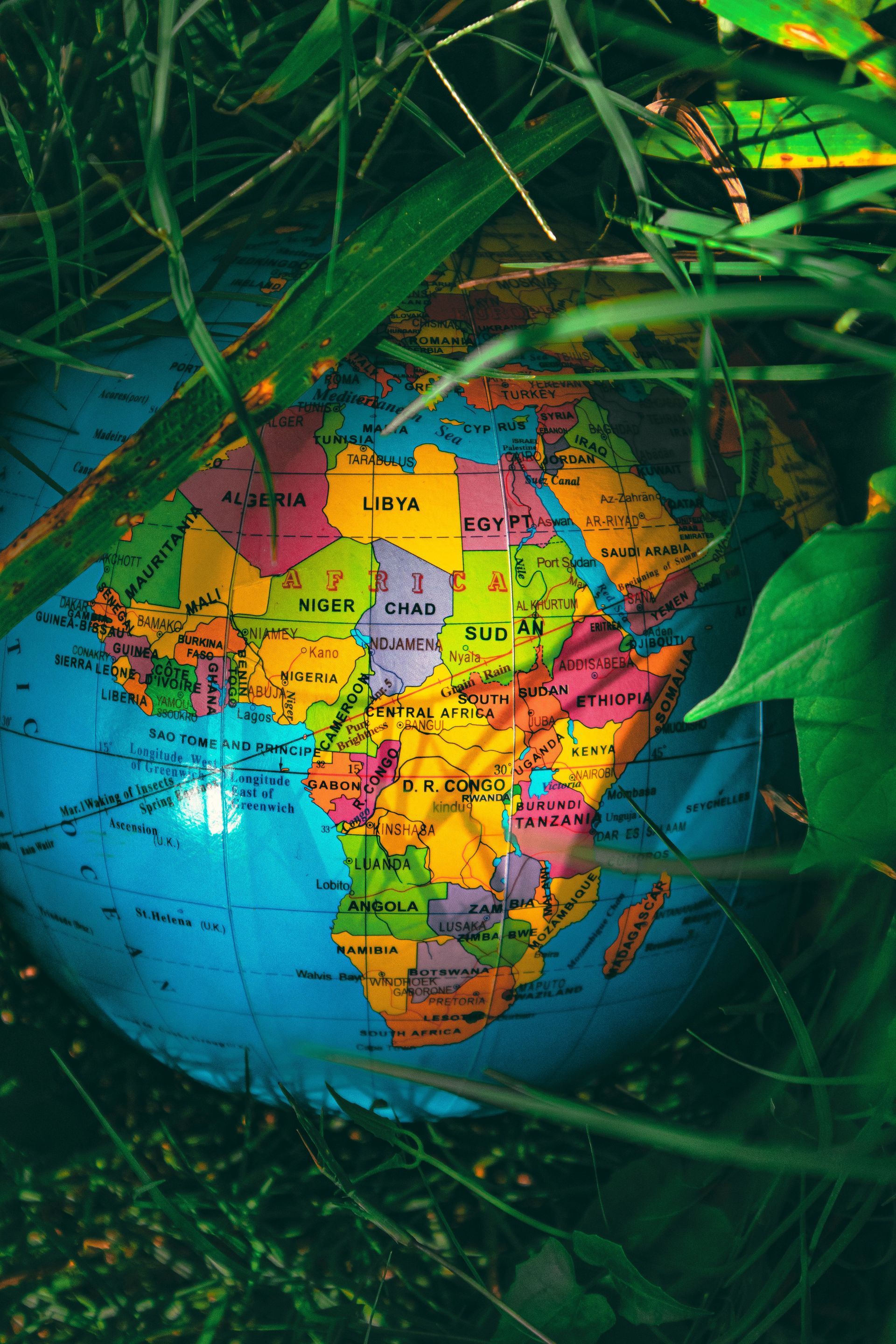
Image Credit: Myko Makhlai Attribution: Unsplash
Global tensions are rising, with increasing drum beats of war and militarism. The human cost of war, conflict and genocide is evident across the globe while the arms trade is profiting hugely from this bloodshed. Militarism fuels violence, displacement and inequality threatening life on every continent. In Ireland, the long-held policy of military neutrality is also coming under threat, and the war in Ukraine has pushed the European Union ever closer towards a militaristic approach to security and defence. For some, Irish neutrality is an illusion amid growing geopolitical turbulence, while for others, it is at the core of who we are in terms of peacekeeping, conflict resolution, and humanitarian interventions.
What does the future hold for Ireland’s role internationally? The ethos of Global Citizenship Education is based on global solidarity, empathy, and partnership, as well as challenging unequal power relations. How do we explore militarization through this lens and encourage critical thinking in the face of political hostilities?
This third session will explore the topics of militarisation, neutrality, and peace education. Speakers will share their experiences and knowledge on the topic to equip educators to explore issues related to militarisation locally and globally. Participants will gain insight into the global arms trade and conflict, as well as increased confidence to incorporate these topics into their work as educators. Participants will also have time dedicated to a Question & Answer session.
Image Credit: Myko Makhlai Attribution: Unsplash
Open Space Enquiry (OSPe)
This webinar is part of IDEA's ongoing commitment to fostering inclusive, participatory spaces for dialogue and learning. The webinar uses Open Space Enquiry (OSPe), an approach that encourages open, curiosity-driven conversation and reflection. We aim to create a respectful space where diverse voices, experiences, and methods can be explored in the spirit of learning, critical thinking, and global citizenship.
Disclaimer The views, opinions, and perspectives expressed by any speaker, host, facilitator, trainer or participant in IDEA webinars, seminars, events, talks, trainings, workshops, videos or podcasts are solely those of the individual(s) concerned. These views do not necessarily reflect IDEA's official policy, position, or values, its National Council, its members, funders, or partner organisations. IDEA provides platforms for dialogue and learning in the spirit of critical engagement, inclusivity, and diversity of thought. The hosting or facilitation of any individual, group or event does not constitute endorsement of any specific viewpoint expressed.
This webinar is part of IDEA's ongoing commitment to fostering inclusive, participatory spaces for dialogue and learning. The webinar uses Open Space Enquiry (OSPe), an approach that encourages open, curiosity-driven conversation and reflection. We aim to create a respectful space where diverse voices, experiences, and methods can be explored in the spirit of learning, critical thinking, and global citizenship.
Disclaimer The views, opinions, and perspectives expressed by any speaker, host, facilitator, trainer or participant in IDEA webinars, seminars, events, talks, trainings, workshops, videos or podcasts are solely those of the individual(s) concerned. These views do not necessarily reflect IDEA's official policy, position, or values, its National Council, its members, funders, or partner organisations. IDEA provides platforms for dialogue and learning in the spirit of critical engagement, inclusivity, and diversity of thought. The hosting or facilitation of any individual, group or event does not constitute endorsement of any specific viewpoint expressed.
Speakers
Moderator
Related Articles
Related Articles

September 26, 2026
Date: Tuesday 01 December, 10.00am – 3.30pm Location: Richmond Barracks, Inchicore, Dublin 8, D08 YY05 IDEA is looking forward to welcoming all members of the Code of Good Practice for Development Education to our next Code network meeting on Tuesday 1 December, in Richmond Barracks in Inchicore, Dublin. There are places for two representatives, staff, volunteers, etc., from each Code member. One of the commitments in joining the Code is to contribute to the Community of Practice for this Code, including sharing successes and learning with other Code members and attending at least one of two Code network meetings annually. If you have questions, please contact code@ideaonline.ie.